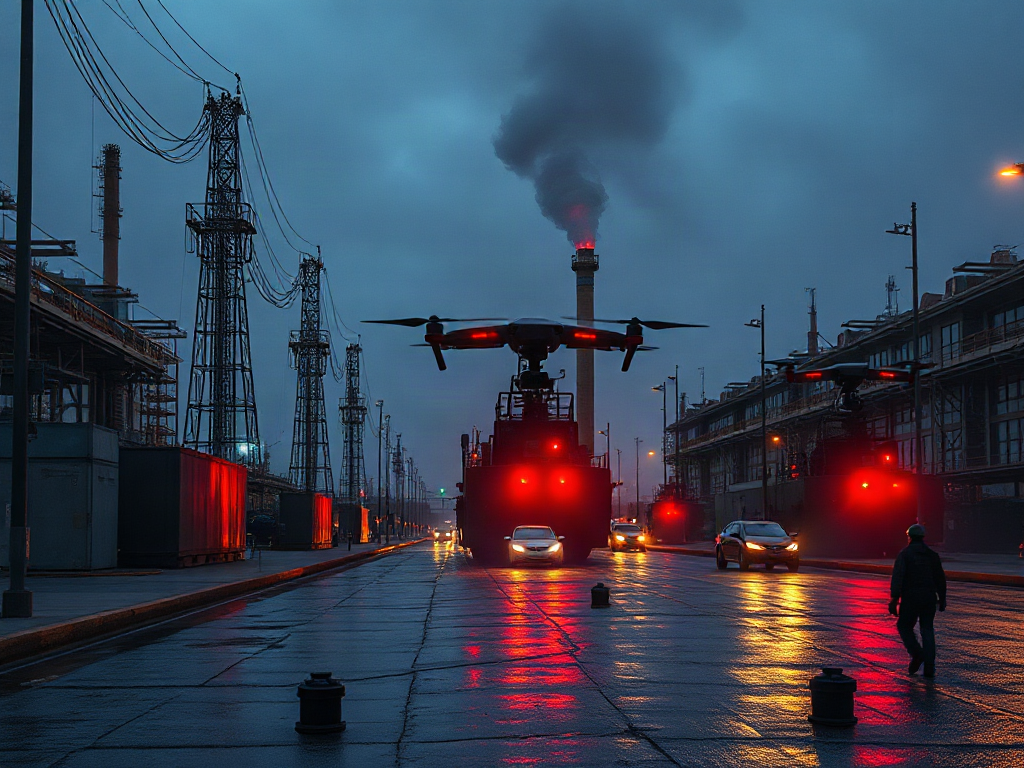
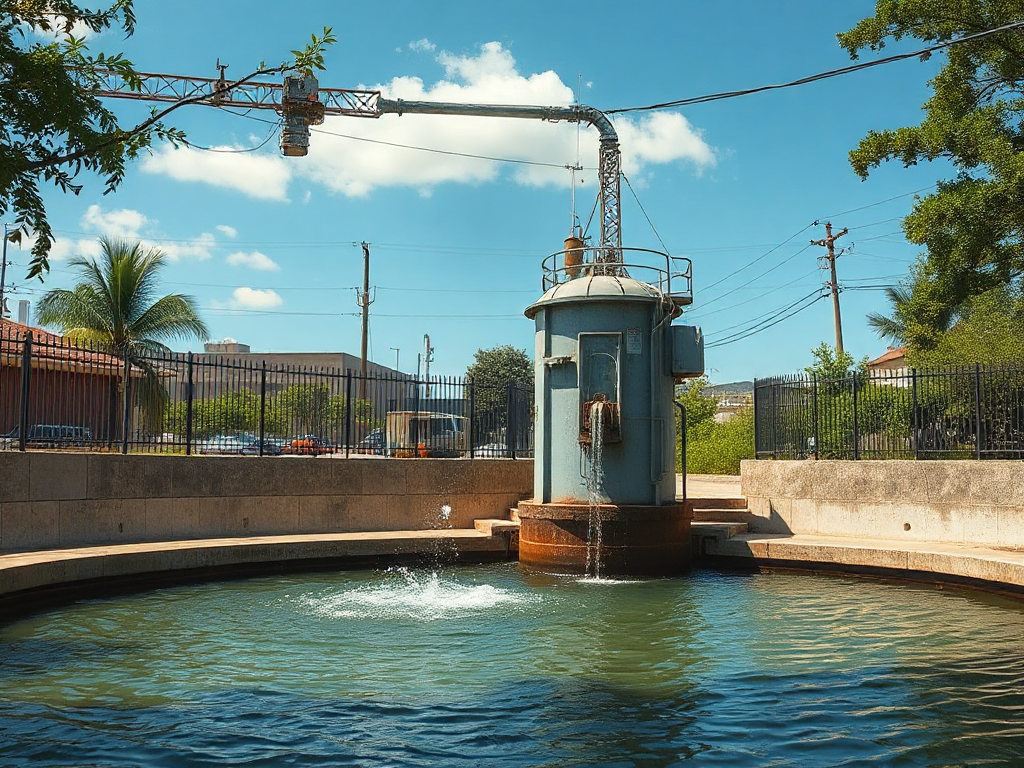
Recent reports describe attacks across multiple states, while attribution and the full operational impact remain under investigation. The immediate concern is stronger protection, not a confirmed nationwide disruption.
The Watch
U.S. water and wastewater systems face renewed scrutiny after reports of cyberattacks linked, with varying levels of confidence, to Iranian operators. The latest coverage says senators are pressing for protection measures after the attacks and FBI warnings.
One same-day report says 30 Minnesota water systems were targeted and describes activity across seven states. Other reports have cited attacks in at least seven states, while an earlier report put the total at 12. Those figures are not reconciled in the available reporting.
The core concern is clear, even as important details remain unsettled. Water utilities provide essential services. Cyber incidents can raise operational, safety, continuity, and public-confidence concerns. The available evidence does not show that every incident came from one coordinated campaign or caused the same level of disruption.
What Changed
The latest development is a shift from incident reporting toward policy response. On August 11, 2026, coverage reported congressional efforts to protect water systems after a series of Iranian cyberattacks and FBI warnings.
The same-day reporting also described 30 Minnesota systems and activity across seven states, but said the Iran connection remained under investigation. Earlier coverage mentioned at least seven states, and one August 4 report cited 12. This suggests continued or expanding reporting, but it does not establish one uncontested state count.
Reports also say the attacks have renewed calls for regulations and stronger protections after years of warnings or reported neglect.
Why It Matters
Water infrastructure is essential to daily life. Even a limited cyber incident can create difficult questions about operations, continuity, and public communication. The available evidence does not establish specific damages, unsafe conditions, or public-health effects. It also does not explain the attack methods or confirm the operational status of every affected system.
What makes this worth watching is the combination of multi-state reporting, qualified attribution, FBI warnings, and new political pressure. Utilities may need to verify systems, coordinate quickly, and preserve essential processes if digital tools become unavailable.
For the public, the practical lesson is not to assume that every report represents the same threat. Know where reliable local instructions would appear. Distinguish confirmed utility notices from unverified claims.
If This Continues
Scenario — not prediction.
If similar access continued across additional utilities, operators could face broader service interruptions, emergency manual procedures, or pressure to make rapid protective changes. Communities could also face uncertainty while officials determine whether service guidance is needed.
If utilities and authorities improve detection, reporting, coordination, and recovery practices, the activity could be contained and its lessons used to strengthen sector-wide resilience. These are conditional scenarios, not predictions. The available evidence does not show that a wider disruption is underway.
What to Watch Next
- Official confirmation or revision of the number of affected states and water systems
- Attribution findings clarifying whether Iranian-linked actors were responsible
- Reports of service disruption, unsafe conditions, advisories, or recovery actions
- New FBI, federal, state, or utility warnings and guidance
- Evidence that additional water or wastewater systems were targeted
- Announcements of regulations, funding, audits, or required security improvements
Preparedness Perspective
Most readers do not need a special response based on these reports. The evidence describes a serious but developing infrastructure-security concern, not a confirmed nationwide water emergency.
A calm preparedness approach is still useful. Know which local water authority and emergency officials provide verified service instructions. Keep basic household continuity plans current. Pay attention to official notices if a local utility reports an incident or changes service guidance. Avoid relying on unconfirmed social-media claims.
For utilities and local authorities, the reporting points to the value of tested incident-response and continuity plans, clear escalation contacts, reliable backups, and safe procedures for essential operations when digital systems are unavailable. These measures improve resilience without requiring assumptions about who caused a particular incident or how much damage occurred.
Joseph’s Perspective
Water is really one of our most necessary areas to focus on Preparedness. A disruption in our water supply is catastrophic. We have become so accustomed to just turning a spigot and having water flow it would be a huge issue if water were impacted. Going forward, water will become an increasingly impacted area. Begin planning on how you and your family might deal with a water emergency.
Bottom Line
Reported attacks on U.S. water systems deserve attention because they expose a vital infrastructure-security gap, but their full scope and attribution remain unsettled. Watch official utility notices, federal warnings, confirmed disruption reports, and policy changes. Preparedness means verified information, tested continuity plans, and steady recovery—not panic.
Sources
- The Sunday Guardian — US-Israel-Iran War Latest News: 30 Minnesota Water Systems Targeted In Cyberattacks as FBI Flags Hacks Across 7 States; Is Iran Link Under Probe? – The Sunday Guardian (August 11, 2026)
- jpost.com — US Senators push to protect water systems after spate of Iranian cyberattacks, FBI warnings – The Jerusalem Post (August 11, 2026)
- Moneycontrol.com — Iran-linked hackers target U.S. water systems after years of warnings – Moneycontrol.com (August 11, 2026)
- E&E News by POLITICO — ‘Frightening’ cyberattacks on water utilities renew calls for regulations – E&E News by POLITICO (August 10, 2026)
- The Washington Post — Water systems are ripe for cyberattacks, experts warn after suspected Iranian hacks – The Washington Post (August 10, 2026)
- the wellsville sun — Dr. Tom Hyslip: What to know about hacking attack on US water supply by suspected Iranian operatives – the wellsville sun (August 10, 2026)