
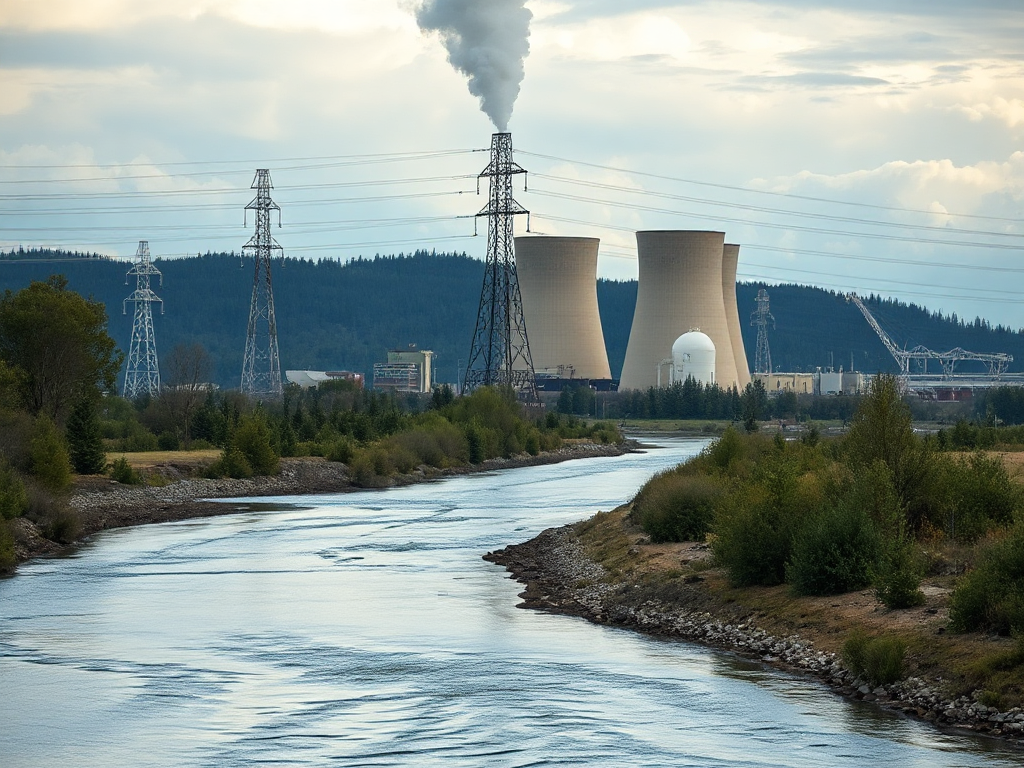
Reports say low rivers are pressuring some European nuclear plants, but the evidence does not show which reactors were affected or how much power was lost.
The Watch
Europe’s drought is being watched as more than a water and transport problem. It may also affect energy systems. A report published August 13 said low rivers were putting pressure on the continent’s nuclear plants.
This matters because some power facilities operate beside waterways. Those same rivers also carry inland shipments. Separate coverage described severely restricted European rivers, including record-low Rhine levels. It linked the drought to disruptions affecting power plants and ships.
The picture is still incomplete. No verified plant list, reactor-output data, outage duration, or official operating statement was provided. For now, this is a possible weakness across connected systems, not proof of a broad nuclear-power disruption.
What Changed
Recent reporting has shifted attention from Europe’s generally dry rivers to possible pressure on nuclear generation. Earlier coverage described wider drought-related river disruption. It included reports that ships could not move and power plants shut down as river levels fell.
This is a meaningful change in focus, but not a verified change in plant-by-plant output. The available evidence does not show whether reactors were reduced, shut down, stabilized, or recovering. It also does not show whether the reported pressure is spreading or worsening.
Why It Matters
Low rivers can create a shared risk for energy generation and inland transport. If water conditions restrict operations at more facilities, utilities could have less available nuclear generation. Industries and transport operators could also face more difficulty moving goods and energy inputs.
That combination could add pressure to regional power systems and industrial users. However, the evidence does not measure the current effect. The material provides no verified generation totals, reserve figures, electricity-price data, or confirmed list of affected reactors.
For preparedness-minded readers, the key point is the connection. Drought can affect more than farms or water supplies. It may also test infrastructure that depends on rivers. The scale of that risk still needs official confirmation.
If This Continues
Scenario — not prediction.
If low river levels continue and affect more facilities, utilities could have less nuclear power available. Transport disruptions could also make it harder to move goods and energy inputs.
That combination may add pressure to regional power systems and industrial users. The situation would become more significant if official notices showed a wider area, longer operating limits, or measurable changes in reactor output. If river conditions improve, those pressures could stabilize or recede. This is a possibility to monitor, not a prediction.
What to Watch Next
- Official utility or grid notices naming affected nuclear units
- Verified reactor-output changes, curtailments, or shutdowns
- River-level updates for waterways serving nuclear facilities
- The duration and geographic spread of drought-related restrictions
- Signs of electricity-supply or reserve-margin stress
- Reports of restored output or improved river navigability
Preparedness Perspective
Readers should treat this as a monitoring issue, not evidence of an imminent widespread power failure. The available reporting does not establish a broad outage, identify affected reactors, or measure lost generation.
Practical readiness can remain simple. Follow official utility and grid advisories. Know how local authorities share outage information. Keep ordinary household continuity plans current for possible short-term service disruptions. Check verified updates before drawing conclusions about energy availability or transport conditions.
Communities and businesses that depend on electricity or river-linked supply routes may want to review their local continuity plans. For everyone else, proportionate awareness is enough. Watch official information, avoid rumors, and remember that drought effects can spread across connected systems.
Bottom Line
Europe’s dry rivers may be testing more than navigation. Reports raise questions about pressure on nuclear generation, but the scale is unverified. Watch utility statements, grid data, and river conditions for signs of spread or stabilization. Ordinary continuity planning is reasonable; the current evidence does not support assuming a continent-wide power crisis.
Sources
- tvpworld.com — Low rivers, low power: drought squeezes Europe’s nuclear plants – TVP World (August 13, 2026)
- yourweather.co.uk — Rhine falls to record low levels as drought strains Europe’s rivers, putting Germany’s economy at risk – yourweather.co.uk (August 13, 2026)
- pv magazine Global — When the rivers stop flowing: Europe’s drought summer measured – pv magazine Global (August 10, 2026)
- WSJ — Ships Can’t Move and Power Plants Shut Down as Drought Saps Europe’s Rivers – WSJ (August 3, 2026)