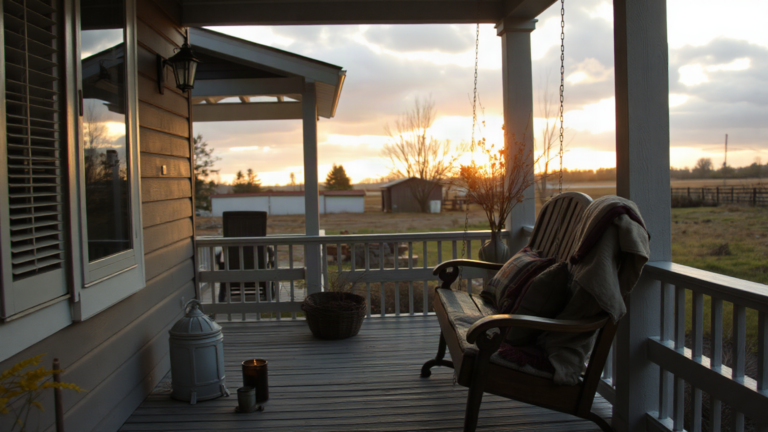

“Everyone therefore who hears these words of mine, and does them, I will liken him to a wise man, who built his house on a rock.
The rain came down, the floods came, and the winds blew, and beat on that house; and it didn’t fall, for it was founded on the rock.
Everyone who hears these words of mine, and doesn’t do them will be like a foolish man, who built his house on the sand.
Read the full passage: Matthew 7:24-29
The old notebook was still on the shelf, pressed beneath school papers, instruction manuals, and a stack of mail nobody needed. Years earlier, someone had filled its pages with careful notes: account numbers, repair estimates, emergency contacts, and a simple household plan. It had once felt responsible. Now it mostly collected dust.
The plan wasn’t missing. It was buried beneath enough newer plans to remain impressive and practically useless.
Most neglect doesn’t begin with a firm decision to be careless. It grows through small delays. The loose railing can wait another month. The budget will start after this expensive week. Someone should learn how Dad handles the bills, but there never seems to be a good time to ask. A difficult family conversation gets postponed because everyone is finally getting along.
Then another reminder comes, and we feel irritated instead of helped. We’ve heard it before. Nothing terrible happened last time, so the warning begins to sound like background noise.
Jesus speaks directly to that dangerous kind of familiarity in Matthew 7:24-26. He describes two builders who hear His words. The difference between them isn’t access to truth. Both hear. The wise builder puts Jesus’ teaching into practice, while the foolish builder hears without acting. When harsh conditions arrive, the hidden difference beneath their lives becomes painfully visible.
The foundation is established before the storm.
That may be the uncomfortable part for us. We can admire wisdom without obeying it. We can discuss what needs to change, write it down, and even feel relieved that a plan exists. But good intentions can’t carry weight they were never put into practice to bear.
Joseph’s years in Egypt offer a helpful picture of responsive stewardship. During years of abundance, he carried out the work of storing food before the famine came. The season of plenty wasn’t treated as proof that scarcity would never arrive. It became the time to act wisely while action was still possible.
Joseph’s story doesn’t promise that careful planning gives us control. Matthew 7 isn’t mainly a lesson about predicting trouble, either. Jesus is calling us to build our lives through present obedience to Him. We prepare faithfully, but our confidence rests in Christ—not in a notebook, a full account, or our ability to imagine every possible need.
Still, His warning asks something real of us. What truth have we heard so often that we no longer feel its claim on our choices? Perhaps repeated reminders have stirred resentment because we don’t want another interruption. Maybe change feels tiring. Maybe yesterday’s provision has quietly convinced us that tomorrow will remain manageable.
God’s patience isn’t permission to stay unchanged. It is mercy giving us room to respond.
If you recognize yourself here, don’t waste time defending the delay or drowning in shame. The warning has reached you before the collapse. Jesus still invites you to build on His words. You can take one honest step today—not to prove you’re responsible, but to love the people who may otherwise carry the cost of your postponement.
Pull out the neglected plan. Name the repair. Open the budget. Ask the older family member to explain what only they know. Have the conversation while voices can remain calm. Write down what matters, then practice it together so the knowledge doesn’t belong to only one person.
Obedience won’t keep every hard wind away. It will, however, form a life that is anchored in Christ when the wind arrives. The old notebook can return to the shelf afterward—but this time, let its pages show signs of use.
Faith Actions
What warning or responsibility have I heard so often that I’ve stopped treating it as an invitation to obey Christ?
Choose one responsibility your household has repeatedly postponed. Set aside time this week to address it with everyone affected, write down the needed steps, and practice or complete the first one together.
Jesus, I confess that I sometimes listen without acting. Your patience has given me time, yet I’ve treated delay as if it were safety. Free me from resentment, excuses, and false confidence in tomorrow. Show me the responsibility I need to face, and give me a willing heart to obey while conditions are calm. Help me prepare out of love for others, without fear or the need to control everything. Anchor my life in You, and make what I hear visible in how I live. Amen.
Continue Preparing Your Heart