A newer report puts the death toll at at least 31, but location, attribution, injuries, and the final casualty count remain unresolved in this regional emergency.
The Watch
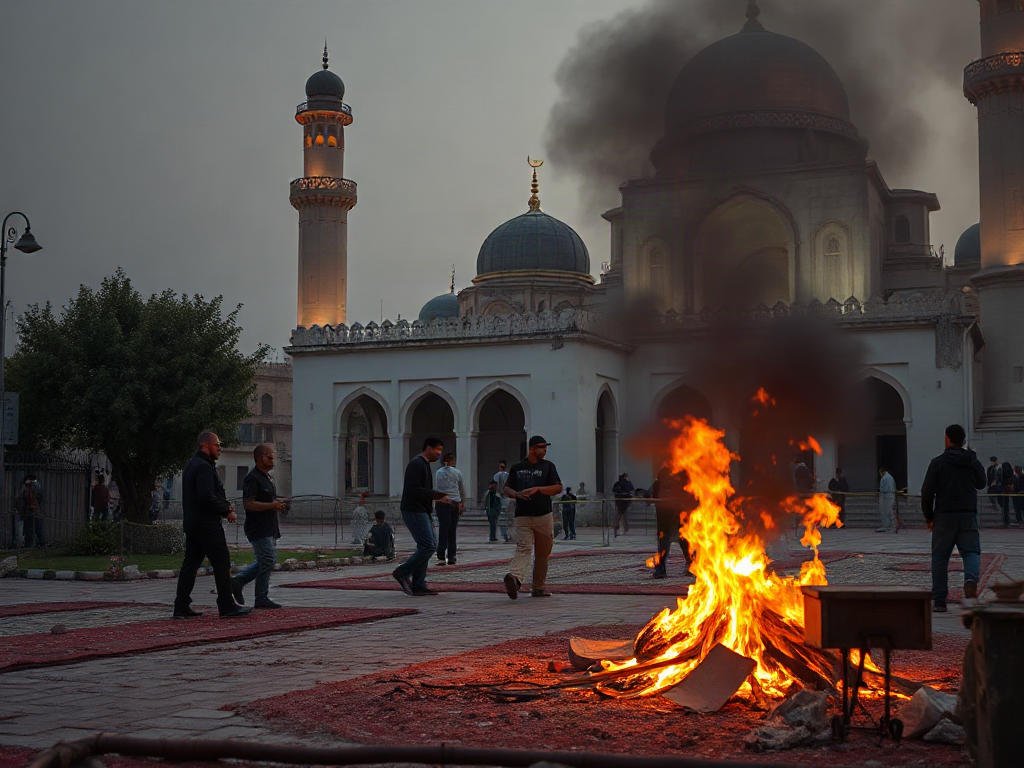
Al Jazeera reported on September 19 that a bomb attack at a mosque in Pakistan killed at least 31 people. That figure is higher than several earlier reports published the previous day, which placed the toll between 16 and 27.
The change may reflect continuing casualty assessments rather than a new attack. The supplied reporting does not independently confirm the newest count, and another report placed the toll at least 21. The precise location is also unsettled in the available evidence, although earlier accounts identified Kohat or northwest Pakistan.
Reports have described the incident as a bombing, suicide attack, or vehicle-bomb attack. Those details remain unconfirmed here. No available evidence establishes the perpetrator, motive, or whether a particular religious community was targeted.
What Changed
The material change is the reported death toll. The newest account says at least 31 people were killed, compared with earlier same-event figures of at least 16, 17, 21, and 27.
That progression indicates that the casualty picture was still developing during the reporting period. It does not establish the final number. The evidence also contains an unresolved discrepancy between the newer report and the lower figure in BBC coverage.
A possible link to Tehrik-e-Taliban Pakistan appears in a supplied headline, but the accompanying material does not verify that attribution. Confirmation of the location, attack method, injuries, responsibility, and any official security response is still needed.
Why It Matters
A deadly attack at a mosque is a serious public-safety and freedom-of-worship concern in the affected area. The setting also means that the consequences may extend beyond the immediate blast site, especially if communities fear further attacks or authorities increase security around religious locations.
For preparedness-minded readers, the most important signal is the active information picture. Hospitals, authorities, and news organizations may continue revising casualty figures. Unverified claims about responsibility can deepen communal tensions before investigators establish what happened.
The available evidence supports a significant local and regional emergency. It does not support a broader escalation trend or an immediate threat to U.S. households. U.S. relevance is primarily indirect: this is a development to monitor for security, religious-freedom, and regional-stability implications.
If This Continues
Scenario — not prediction.
If the death toll rises or related attacks are reported, authorities could tighten security around mosques and other public religious sites. Communities could also face disrupted worship, heightened fear, or public disorder.
If responsibility is confirmed, the incident could influence counterterrorism operations or communal tensions. If no related incidents emerge and casualty reporting stabilizes, attention may shift toward investigation, medical response, recovery, and restoring normal public activity. These are scenarios, not predictions.
What to Watch Next
- Official or hospital casualty updates, including whether the death toll stabilizes
- Confirmation of the precise location, attack method, and number of injured people
- Verified claims of responsibility, arrests, or evidence identifying a perpetrator
- New security measures or warnings affecting mosques and other religious sites
- Reports of related attacks, public disorder, closures, or emergency-service disruption
- Investigation findings and signs that worship and public activity are returning to normal
Preparedness Perspective
This is a local and regional emergency, not evidence of an immediate danger to U.S. households. Readers in the affected region should follow verified local instructions, avoid active incident areas, and maintain communication with family or trusted contacts.
Use official emergency information rather than social-media claims about casualties, location, or attribution. People connected to the area should monitor guidance about worship-site access, travel, and public gatherings. U.S.-based readers can treat the event as a security and religious-freedom development to follow, without assuming that overseas violence signals a domestic emergency.
The practical lesson is simple: during a developing attack, reliable information and clear communication matter more than speculation.
Bottom Line
The reported toll has reached at least 31, but the final count and key facts remain unsettled. Watch for verified casualty updates, confirmed location and attribution, and any follow-on security measures. This is a serious regional event, not a basis for panic or assumptions about immediate U.S. danger.
Sources
- aljazeera.com — Bomb attack at Pakistan mosque kills at least 31 people – aljazeera.com (September 19, 2026)
- bbc.com — Kohat: At least 21 killed in attack on mosque in Pakistan’s Khyber Pakhtunkhwa – BBC (September 18, 2026)
- illustrated Daily News — Suicide Bomb, Gun Battle At Pakistan Mosque Kills At Least 27 – illustrated Daily News (September 18, 2026)
- breitbart.com — Suicide Bomb Attack at Pakistan Mosque Kills 27 – breitbart.com (September 18, 2026)
- apnews.com — Bombing at mosque near police offices in Pakistan kills at least 21 – AP News (September 18, 2026)
- NDTV Profit — Terror Attack At Pakistan Mosque: Death Toll Hits 27, TTP Link Emerges, And Other Key Facts – NDTV Profit (September 18, 2026)