Greenbelt Reservoir remains at 4.7% capacity while Quanah’s boil-water notice enters a third month, keeping local water access and repair logistics under strain.
The Watch
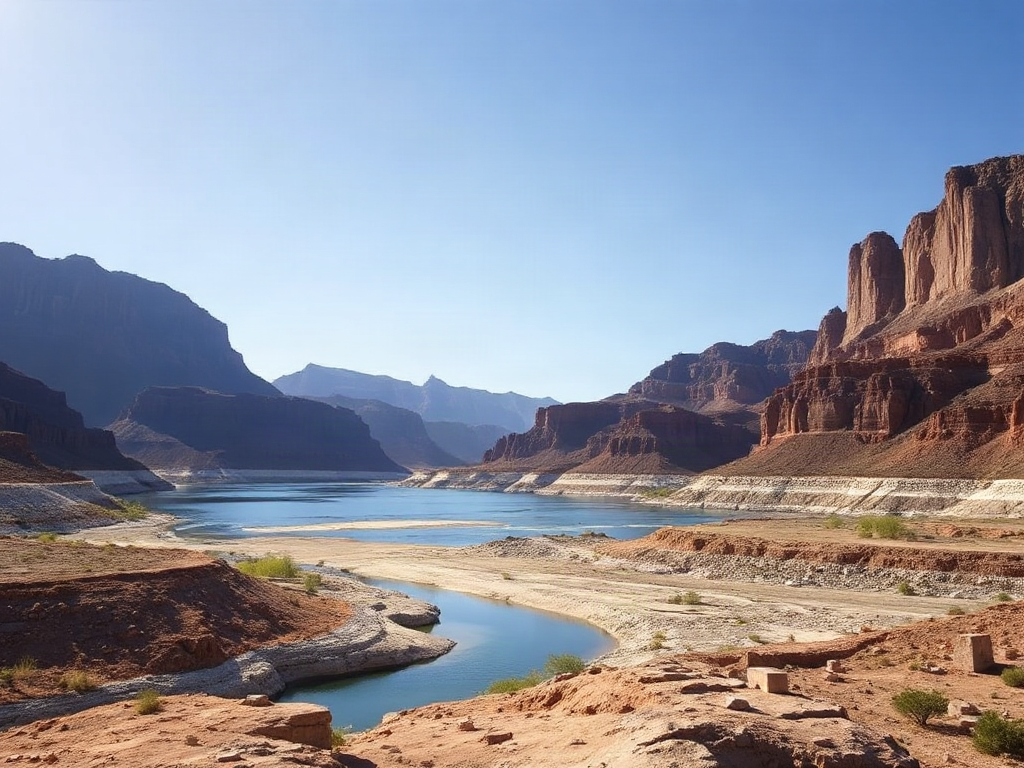
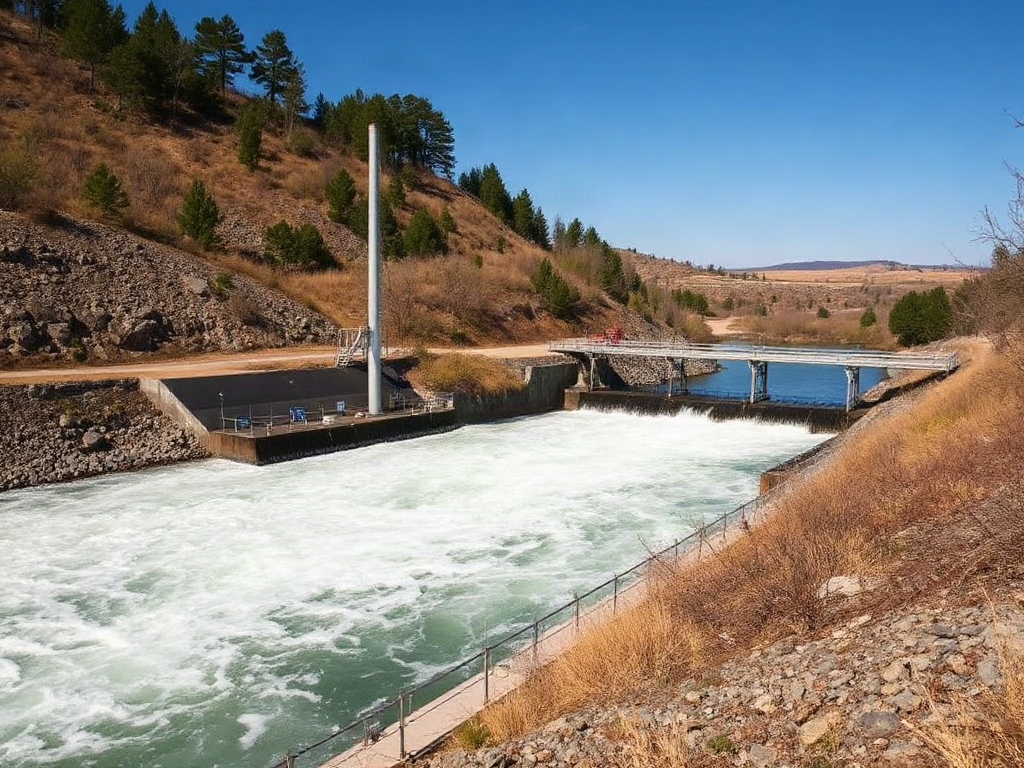
Quanah, Texas, remains under a severe water shortage, and the newest reported condition is persistence rather than a measured new decline. Greenbelt Reservoir is still at 4.7% capacity and continues supplying five regional communities, including Quanah.
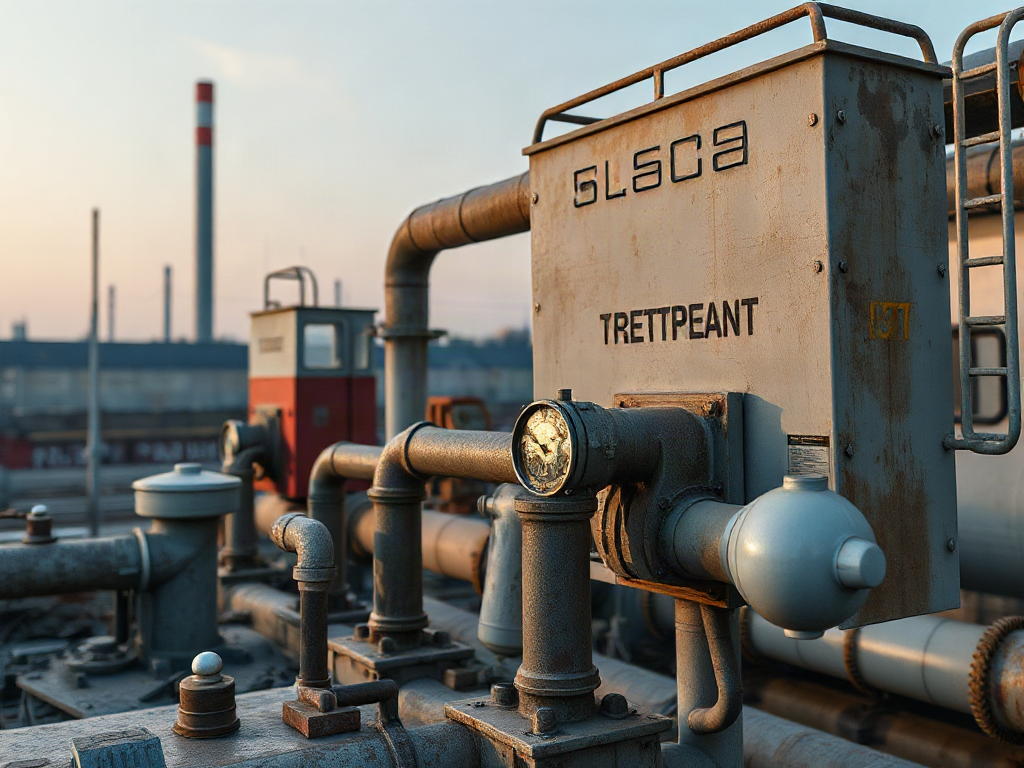
A leak at the Greenbelt Water Authority’s chlorinator booster station in Childress County triggered the boil-water notice more than two months ago. Officials have identified the leak but are still sourcing repair parts.
Supplemental groundwater is being used, yet residents are still instructed to boil water before consumption. Bottled-water distribution, supported by nearby volunteers and the Texas Division of Emergency Management, remains part of the response. The available evidence does not show whether reservoir conditions are worsening, stabilizing, or improving beyond the fact that the shortage continues.
What Changed
The latest supplied report, published September 26, 2026, confirms that the shortage, low reservoir storage, and boil-water notice are still in place. Repairs to the chlorinator booster station have not been confirmed complete, and parts are still being sourced.
That matters because the situation has lasted more than two months without a documented resolution. However, the available information does not provide an earlier reservoir reading, so it cannot establish a quantified drop from a previous level. It also does not say when repairs will finish or when officials may lift the notice.
Why It Matters
This is a sustained local water-access and water-safety problem, not simply a low reservoir reading. Residents are dealing with restricted water use, continued boiling instructions, and reliance on bottled-water distribution while supplemental groundwater supports the system.
That combination can place extra pressure on households and on the people organizing safe-water access. Elderly residents and others who have difficulty traveling to distribution points may need additional help. Because the reservoir supplies five communities, continued disruption could affect more than Quanah, although the available evidence does not quantify impacts in those communities.
The U.S. preparedness relevance is local and regional. There is no evidence here of an immediate nationwide household threat. The important pathway is continued dependence on a stressed shared water source and emergency distribution support.
If This Continues
Scenario — not prediction.
If repairs remain delayed and reservoir levels do not recover, Quanah and other supplied communities could continue relying on bottled water, groundwater, and distribution assistance. Vulnerable residents could face greater difficulty obtaining safe water if access or water-quality constraints worsen.
If repairs are completed and water conditions improve, the boil-water notice and distribution burden could eventually decline. That outcome requires official confirmation. The available evidence does not establish a repair timeline, a depletion date, or whether conditions are currently improving or deteriorating.
What to Watch Next
- Official confirmation that chlorinator booster-station repairs are complete
- An official notice lifting or changing the boil-water requirement
- Updated Greenbelt Reservoir capacity readings and documented recovery or inflows
- Changes to bottled-water distribution locations, schedules, eligibility, or assistance
- Any expansion of the shortage or water-quality notice to the other supplied communities
- Reports on continued groundwater use, low storage, or measurable reservoir recovery
Preparedness Perspective
Residents in the affected area should follow official boil-water instructions and maintain safe water for drinking and cooking while the notice remains active. They should also monitor official repair and water-status updates rather than rely on informal reports alone.
Households can review how they will obtain water if distribution locations or schedules change. Neighbors, families, and community groups should check on elderly residents or others who may have difficulty traveling for bottled water. People outside the affected area do not have evidence here of an immediate nationwide threat, but nearby communities supplied by Greenbelt Reservoir should stay alert for official changes.
This is a case for practical continuity planning, not panic: know the local alert source, understand current water instructions, and be ready to adjust if officials report a change in service or distribution.
Bottom Line
Quanah’s water crisis has not been resolved: the reservoir remains at 4.7%, the boil-water notice continues, and repairs are still pending. Watch for official repair confirmation, updated reservoir readings, and changes affecting the other four supplied communities. For residents, the priority is safe water, reliable information, and attention to people who may need help accessing supplies.