
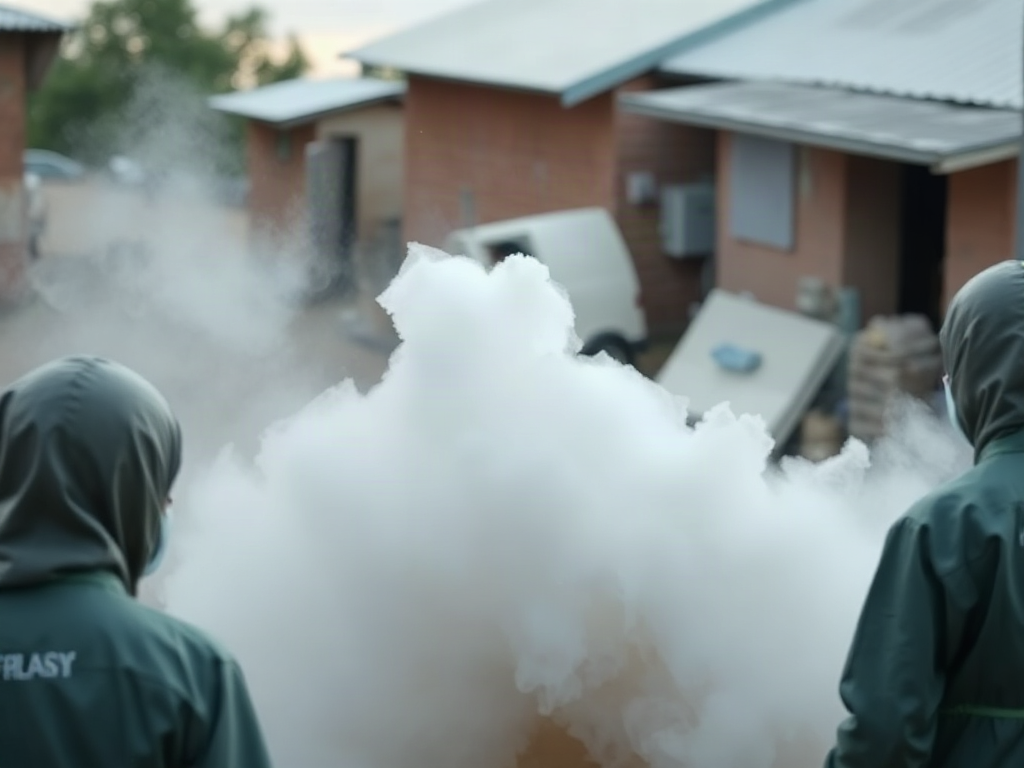
Reports from October 13–14 place infections above 9,000 and deaths above 4,300, signaling a serious regional health crisis but not an immediate U.S. household emergency.
The Watch
Multiple reports published October 13–14 say Ebola infections or cases in the Democratic Republic of the Congo have passed 9,000. One report places the death toll above 4,300. Reuters attributes the case total to a government report, while other coverage describes containment efforts as faltering.
The figures are consequential, but important limits remain. The supplied reporting does not establish the outbreak’s precise locations, active-case count, transmission routes, testing methods, or current hospital burden. It also does not confirm that every report uses identical case definitions.
A vaccine trial was reported as set to begin. Its timing, scope, and outcome remain unverified in the available evidence. For readers outside the region, this is a serious regional public-health development worth monitoring—not evidence of an immediate domestic emergency.
What Changed
The newest reported total has moved above 9,000 cases, compared with an earlier report describing the outbreak as nearing that level. A separate October 14 report says deaths have exceeded 4,300. The available evidence does not provide a directly comparable earlier death count, so the scale of that change cannot be measured here.
The reports also describe containment as weakening or faltering. That points to a more difficult control environment, although the evidence does not quantify the strain on health services or show how widely transmission is occurring. A reported vaccine trial could become an important response development, but its start and performance have not been independently established in the supplied material.
Why It Matters
An outbreak of this reported size would place a major burden on communities and the health systems trying to identify cases and interrupt transmission. When containment becomes harder, local responders may have fewer opportunities to stop new infections before they create additional demands on care and public-health operations.
The immediate relevance is regional. The available evidence does not support treating this as an imminent U.S. household threat, and it does not identify a domestic transmission pathway. The broader preparedness lesson is practical: communities depend on functioning detection, reporting, and response systems during a health emergency. Clear official information matters because incomplete or non-comparable figures can quickly produce either false reassurance or unnecessary alarm.
If This Continues
Scenario — not prediction.
If reported transmission continues while containment remains weak, cases and deaths could rise further and place additional pressure on local response systems. If the reported vaccine trial begins effectively and containment improves, later updates could show stabilization or recovery.
These are scenarios, not predictions. The available evidence does not establish the outbreak’s current growth rate, geographic spread, or likely outcome.
What to Watch Next
- A current official situation report confirming or revising the case and death totals
- Whether reported cases continue rising above 9,000 or begin to stabilize
- Confirmation of the vaccine trial’s start, scope, and operational status
- Evidence that containment efforts are improving or continuing to falter
- Changes in reported deaths, active cases, geographic spread, and independent verification
Preparedness Perspective
For U.S. readers, the appropriate posture is proportionate awareness, not emergency action. The available evidence supports a local and regional public-health concern in the DRC, not an immediate household emergency elsewhere.
A useful first step is to identify the official health-information source you would trust during a public-health event. Keep basic continuity plans current as well, especially for caregiving, work communication, and access to essential services. Those steps help preserve choices when reliable information or normal routines become harder to maintain.
Do not infer a domestic threat from overseas case totals alone. Instead, watch for confirmed changes in geographic spread, official guidance, and response capacity. The central preparedness issue is whether local systems can detect cases and interrupt transmission effectively.
Joseph’s Perspective
This Health Disaster is a painful reminder that we must remain vigilant and prepare. The news of a potential biological disaster in Russia also is an alert that we must track and consider.
Bottom Line
Reports now place the DRC outbreak above 9,000 cases, with deaths above 4,300, while containment is described as faltering. The numbers still require fuller official confirmation and methodological detail. Watch the next situation reports, the vaccine trial’s actual progress, and signs of stabilization or further spread. For readers elsewhere, informed awareness is warranted; panic is not.
Sources
- https://novanews.co.za/ — DR Congo Ebola outbreak passes 9 000 cases as vaccine trial set to begin – https://novanews.co.za/ (October 14, 2026)
- Health and Me — Congo’s Ebola Death Toll Tops 4,300, Cases Cross 9,000; Kenya Reports No New Cases After 293 Tests – Health and Me (October 14, 2026)
- CNBC Africa — Congo’s Ebola infections surpass 9,000, government report shows – CNBC Africa (October 13, 2026)
- Free Malaysia Today — DR Congo Ebola outbreak passes 9,000 cases – Free Malaysia Today (October 13, 2026)
- ABC News – Breaking News, Latest News and Videos — Congo’s confirmed Ebola cases exceed 9,000 as containment efforts falter – ABC News – Breaking News, Latest News and Videos (October 13, 2026)
- Al Jazeera — DR Congo Ebola cases pass 9,000 as efforts to curb transmission falter – Al Jazeera (October 13, 2026)