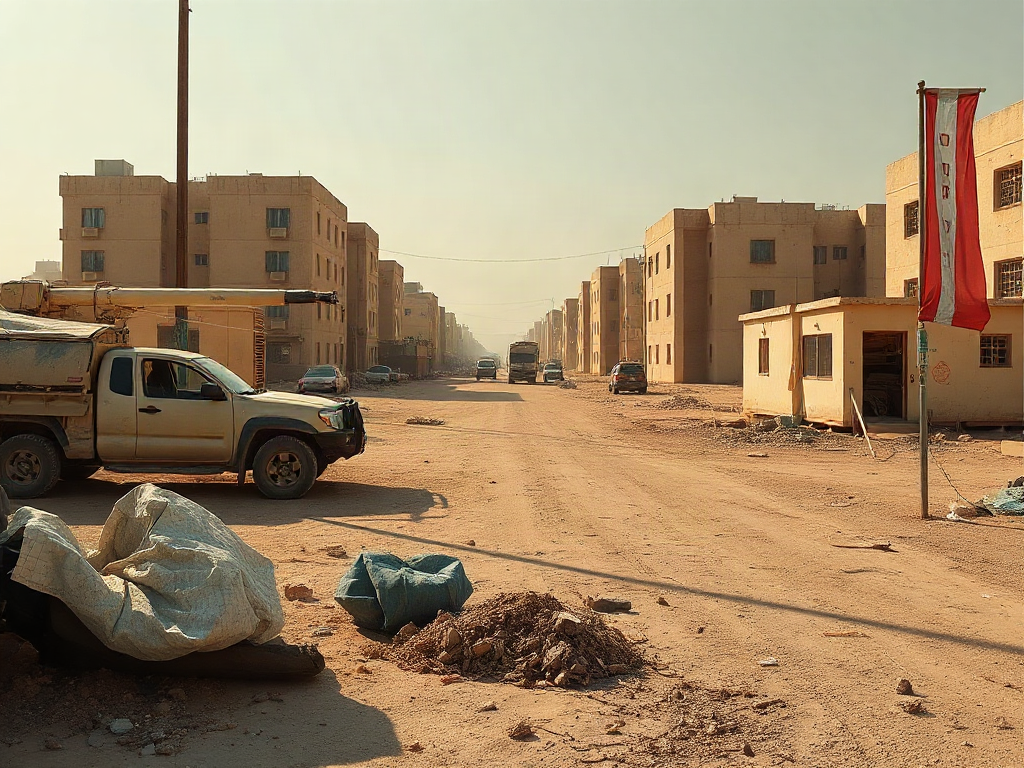
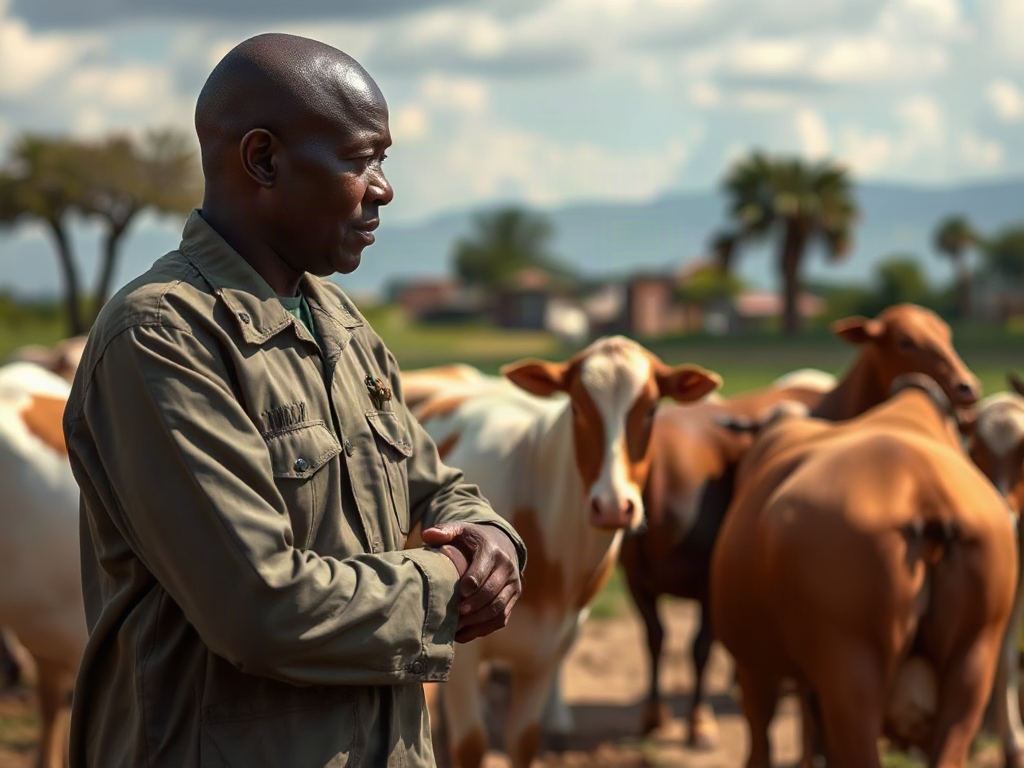
President William Ruto says measures are under way to address reported drought-related food shortages, but the available reporting does not yet show whether supplies have improved.
The Watch
Kenya’s government is publicly responding to reports of food shortages linked to drought. On 19 October, President William Ruto reportedly assured the public that measures were being taken. A separate same-day report said the government was addressing drought and food security through increased agricultural production.
This stands out because the reporting broadens the concern beyond a specific dairy-supply problem. Earlier reports had described drought-related pressure on Kenya’s dairy sector and discussed camel and buffalo milk as possible alternatives. The newer statements point toward a wider food-security response, although they provide few operational details.
The immediate condition remains difficult to measure. The available evidence does not identify affected locations, the number of people involved, the size or duration of the shortages, or whether food access has improved.
What Changed
The newest development is a public assurance from Ruto that measures are being taken to address drought-related food shortages. Increased agricultural production was identified as part of the government’s stated response in separate reporting the same day.
That represents a shift from attention on dairy-supply pressure toward a broader food-security effort. It does not, however, establish that the measures are fully implemented or producing results. There is no available evidence confirming improved food availability, lower prices, or recovery in dairy supply. The trajectory therefore remains unclear: Kenya has a reported response, but its scale and effect have not yet been demonstrated.
Why It Matters
The case shows how drought can affect everyday food access through agricultural and dairy production. When local production is strained, households that depend on those supplies may face continued difficulty finding or affording essential foods.
For Kenya, the immediate concern is local and regional rather than a demonstrated threat to U.S. households. The important lesson is dependency: food availability can rely on a narrow set of weather-sensitive producers and supply channels. A government announcement may signal action, but it does not by itself prove that food is reaching affected communities.
Readers elsewhere should treat this as a community-readiness lesson, not evidence that a similar shortage is imminent. Understanding which essential foods a household depends on makes it easier to consider affordable alternatives before choices narrow.
If This Continues
Scenario — not prediction.
If drought continues to constrain agricultural and dairy production, food availability or affordability could remain under pressure in affected Kenyan communities. If the reported production measures become operational and restore supply, conditions could stabilize. Substitute dairy sources might also help if they become practical and available.
These are scenarios, not predictions. The available reporting does not establish how long the shortages may last, which communities are affected, or whether conditions are worsening.
What to Watch Next
- Specific details about the measures the government says it is implementing
- Reports showing whether food or dairy shortages are easing or persisting
- Evidence that shortages are affecting additional areas
- Official or credible assessments of agricultural production and food availability
- Reports that stated production measures are delivering food to affected communities
- Additional emergency measures if food access worsens
Preparedness Perspective
This is a local and regional Kenyan food-security concern, not evidence of an immediate U.S. household shortage. The practical preparedness value is the dependency it reveals.
Households can review which essential foods they rely on most and identify one affordable substitute or backup source. That step helps preserve choices if a preferred item becomes harder to find or more expensive. Families with caregiving needs can also discuss which substitutions would be workable before a disruption occurs.
Keep the plan modest. There is no need to assume that Kenya’s reported conditions will appear elsewhere. A short review of food dependencies, local shopping options, and any official service guidance is a reasonable response while the situation remains uncertain.
Bottom Line
Kenya has reported drought-related food shortages and a government response, but measurable improvement has not yet been shown. Watch for evidence that food and dairy availability is recovering—or that shortages are spreading. For readers elsewhere, the manageable lesson is to avoid relying on one essential food source when an affordable alternative can be identified.