Armageddon in biblical prophecy is the place where hostile rulers are gathered for the climactic conflict associated with Christ’s victory and the establishment of God’s rule. Revelation 16:16 names the location while presenting the gathering as the result of deceptive spiritual influence, human rebellion, and divine judgment. Its purpose is not to glorify warfare or provide a simple modern battle map, but to expose opposition to God and show that such resistance ultimately fails. Readers should interpret Armageddon within Revelation’s symbolic imagery, Old Testament geography, and final-judgment themes rather than forcing every military crisis into the passage.
What you’ll learn
This guide covers the following practical points:
- Where Armageddon Is Located — The name Armageddon appears explicitly only in Revelation 16:16, where the kings of the world are gathered to a place called Harmagedon in Greek.
- Armageddon’s Role in Revelation — Revelation presents Armageddon as a gathering point within the sixth bowl judgment rather than as a detailed account of combat.
- Literal, Symbolic, and Combined Readings — Interpretations differ chiefly over how literally the place and conflict should be understood.
- How to Read Armageddon Responsibly — A sound reading begins with the passage’s literary setting before moving to modern applications.
Where Armageddon Is Located
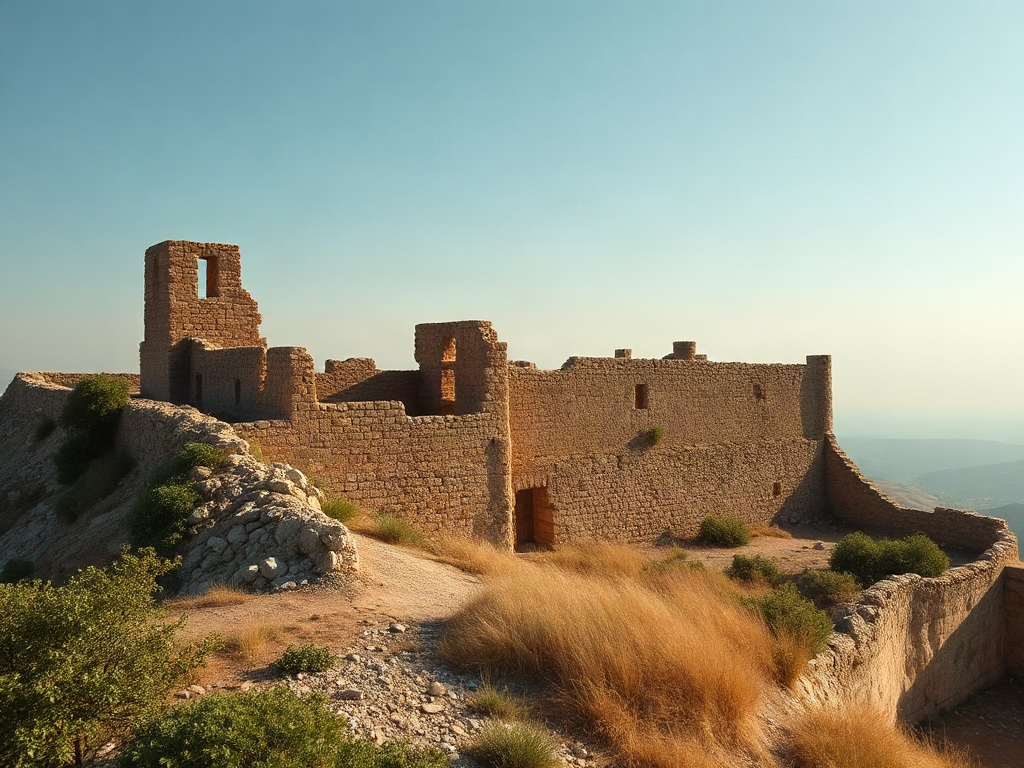
The name Armageddon appears explicitly only in Revelation 16:16, where the kings of the world are gathered to a place called Harmagedon in Greek. The term is commonly connected with the Hebrew expression for “mountain of Megiddo.” Ancient Megiddo stood near a strategic passage overlooking the Jezreel Valley in northern Israel, a corridor used by armies moving between major regions of the ancient Near East.
The geography creates a difficulty: Megiddo was a fortified city on a raised mound, but no prominent mountain called Mount Megiddo is known. That mismatch has produced several readings. The name may refer broadly to the Megiddo region, use “mountain” symbolically, or combine historic battlefield associations with Revelation’s theological imagery. A responsible interpretation acknowledges this geographic tension instead of treating the modern archaeological site as an unquestionably identified battlefield boundary.
Megiddo carried strong memories of conflict for biblical readers. Judges 5 places Israel’s victory over Sisera’s forces near the waters of Megiddo, while 2 Kings 23 records King Josiah’s fatal confrontation there. Zechariah 12:11 later invokes mourning in the plain of Megiddo. Revelation can therefore draw on an established landscape of battle, defeat, death, and lament without requiring every feature of its vision to function as a conventional military report.
The practical priority is to distinguish the biblical reference from later speculation. A map can clarify Megiddo’s strategic setting, but geography alone cannot explain Armageddon’s purpose. The passage belongs to an apocalyptic vision in which bowls of judgment, unclean spirits, worldwide rulers, and the “great day of God Almighty” form the immediate context.
Armageddon’s Role in Revelation
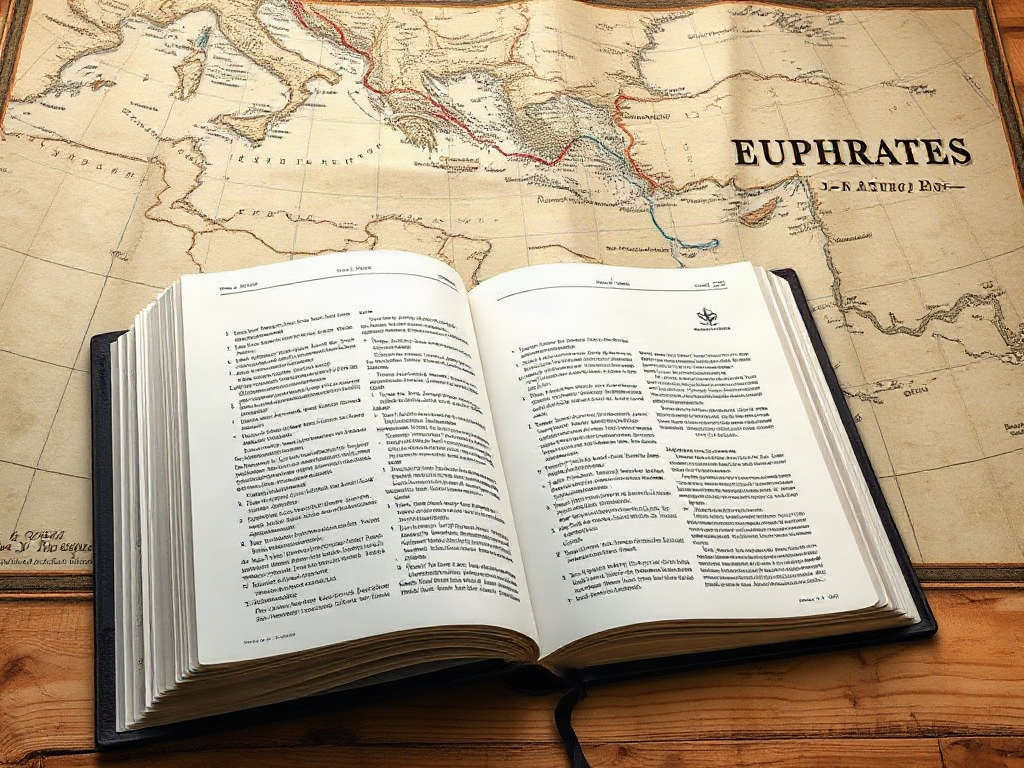
Revelation presents Armageddon as a gathering point within the sixth bowl judgment rather than as a detailed account of combat. In Revelation 16:12–16, the Euphrates is dried, deceptive spirits go out to the world’s kings, and those rulers assemble for the coming day of God. The text emphasizes why the powers gather and whose authority prevails more than troop movements, weapons, or the duration of a campaign.
The gathering serves several connected purposes. It brings organized rebellion into the open, demonstrates the reach of deception, prepares for judgment, and directs attention toward God’s final victory. Revelation 19 develops the confrontation through the image of the rider on the white horse defeating the beast and the assembled kings. Reading the two passages together shows that Armageddon is part of Revelation’s larger contrast between coercive earthly power and the rightful reign of Christ.
A common mistake is to make the location the whole message. Revelation interrupts the gathering scene with a warning about watchfulness: “Blessed is he that watcheth” in the language of the King James Version. That pastoral interruption shifts attention from predicting military developments to remaining faithful. The intended response is vigilance and spiritual integrity, not fascination with destruction.
Another error is treating Armageddon as a balanced contest whose outcome remains uncertain. Revelation’s dramatic imagery creates tension, but its theological claim is decisive: rebellious powers cannot overturn God’s purposes. The conflict reveals the limits of political, military, and spiritual opposition rather than suggesting that God narrowly survives a final crisis.
Literal, Symbolic, and Combined Readings
Interpretations differ chiefly over how literally the place and conflict should be understood. Futurist readings commonly expect a still-future gathering connected with Christ’s return. Symbolic or idealist readings treat Armageddon as a recurring or final representation of the world’s concentrated resistance to God. Preterist approaches place greater weight on the first-century setting of Revelation and its message to churches living under imperial pressure.
| Reading | View of the Place | Main Emphasis | Interpretive Risk |
|---|---|---|---|
| Literal-futurist | Megiddo or its surrounding region | A future historical assembly and conflict | Turning current headlines into an unsupported timetable |
| Symbolic | A theological image shaped by biblical battle traditions | The final concentration of rebellion against God | Detaching the vision too sharply from real history |
| Combined | A real geographic reference carrying symbolic meaning | Historical culmination expressed through apocalyptic imagery | Claiming more precision than the passage supplies |
The combined reading explains why many interpreters take both geography and symbolism seriously. Revelation repeatedly uses recognizable places and political realities while presenting them through visions, monsters, cosmic signs, and patterned judgments. A real-world setting and a symbolic function are therefore not mutually exclusive.
Readers can test an interpretation by asking whether it accounts for the actual wording of Revelation 16, the Old Testament echoes, the genre of apocalyptic literature, and the book’s message to its original churches. An explanation begins to fail when it depends mainly on a contemporary nation, weapon, or leader not identified by the text. It also weakens when it ignores Revelation’s ethical call to endurance and worship.
How to Read Armageddon Responsibly
A sound reading begins with the passage’s literary setting before moving to modern applications. Read Revelation 16:12–16 as a unit, then compare Revelation 19:11–21. After that, examine the Megiddo references in Judges 5, 2 Kings 23, and Zechariah 12. This sequence keeps the interpretation anchored in Scripture’s own network of places, images, and themes.
A compact evaluation checklist can separate textual conclusions from speculation:
- Check the claim: Does the passage state it, imply it, or merely allow it?
- Check the genre: Is symbolic vision being read as though it were ordinary historical prose?
- Check the context: Does the interpretation include deception, judgment, watchfulness, and Christ’s victory?
- Check the timeline: Is a precise date being supplied where Revelation gives none?
- Check the result: Does the reading encourage fidelity, or only anxiety and headline matching?
Consider a claim that a present military buildup near Israel must be the beginning of Armageddon. The geographic connection may make the claim sound plausible, but location alone is insufficient. Revelation describes a worldwide gathering tied to deceptive spirits and the day of God, while supplying no modern operational markers by which observers can certify that the event has begun. The claim exceeds the available evidence unless those interpretive gaps are openly acknowledged.
Responsible caution does not require stripping the prophecy of future significance. It means holding firm conclusions where the text is clear and remaining modest where details are disputed. Revelation clearly depicts concentrated rebellion, divine judgment, Christ’s triumph, and a call to readiness. The precise military configuration, geographic extent, and relationship between successive visions remain matters on which faithful interpreters disagree.
Frequently Asked Questions
Where is Armageddon mentioned in the Bible?
The name appears in Revelation 16:16. Related scenes of rulers assembled against Christ appear in Revelation 19, while Megiddo’s earlier biblical associations occur in Judges 5, 2 Kings 23, and Zechariah 12.
Is Armageddon a place or an event?
Revelation 16 calls Armageddon a place, but common usage applies the name to the climactic conflict associated with that gathering. Keeping the location and the larger event distinct prevents confusion.
Is there an actual mountain at Megiddo?
Ancient Megiddo occupies a raised archaeological mound, but the area has no clearly identified mountain bearing that name. This is one reason interpreters debate whether “mountain of Megiddo” is geographic, symbolic, or both.
Does Revelation give a date for Armageddon?
No. Revelation places the gathering within its sequence of judgment visions but does not provide a calendar date. Attempts to calculate one require assumptions that the passage itself does not establish.
What is the main spiritual message of Armageddon?
The vision warns that deception can unite human power against God, yet rebellion will not prevail. Its embedded call to watchfulness directs readers toward faithful readiness rather than speculative fear.
Conclusion
Armageddon should be read as both a named setting in Revelation and a scene carrying the weight of biblical battle imagery. Megiddo’s location helps explain the name, but the prophecy’s center is the exposure and defeat of organized rebellion. Prioritize Revelation 16 and 19, compare their Old Testament echoes, and separate explicit statements from proposed details. That approach leaves room for interpretive disagreement without losing the passage’s clear summons to vigilance, endurance, and confidence in God’s final rule.
Additional Resources
Authoritative Sources
- The Battle of Armageddon: The Time of the Final War ...
digitalcommons.andrews.eduBy V Dorneles · 2020 — The goal of eschatological Bible prophecy is to foresee the arriving of God's kingdom. In this perspective, the futurist interpreter seeks the references ... Read more