
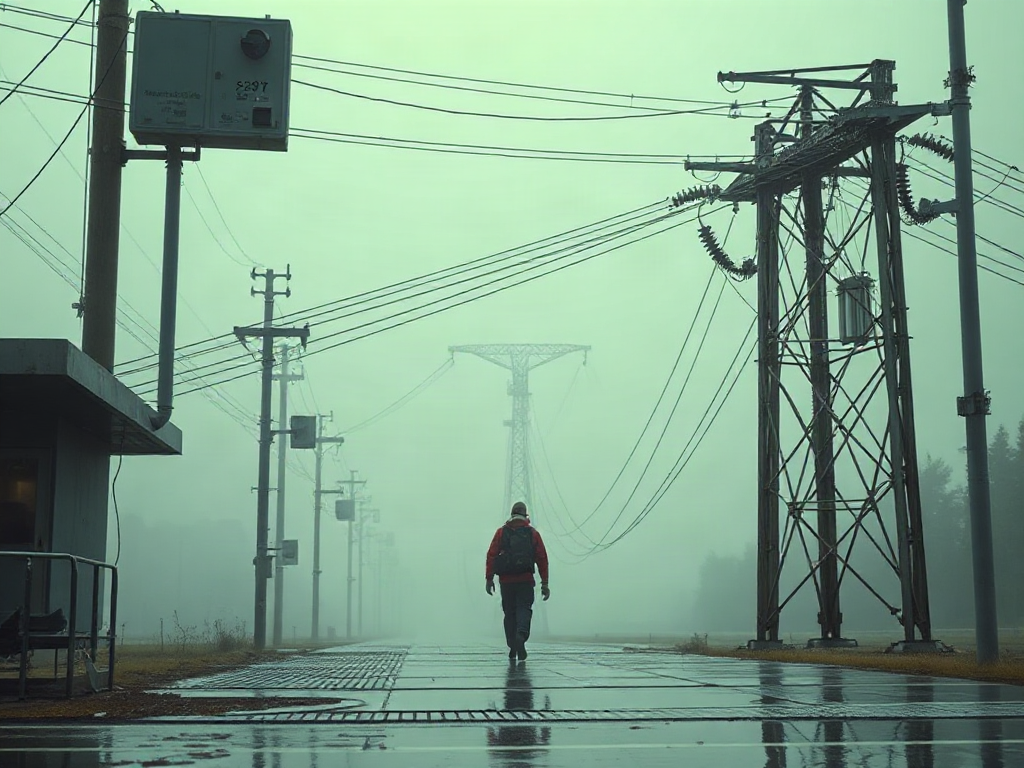
ABC News says heat has stretched the U.S. electrical grid to its limit, but the affected region, operational effects, and any household impact remain unclear.
The Watch
ABC News reported on November 8, 2026, that a heat wave prompted a U.S. electrical-grid emergency. Its headline described the grid as “stretched to the limit.”
That is a meaningful warning because electricity supports ordinary household and community operations during extreme heat. But this is a single-source report with headline-level evidence. It does not identify the affected state, grid operator, emergency procedure, or duration.
The report also does not confirm outages, conservation requests, rolling interruptions, or the number of customers or facilities affected. The immediate issue is therefore not a confirmed nationwide outage. It is whether reported grid stress develops into a documented service disruption or eases as operating conditions improve.
What Changed
The newest reported development is a heat-wave-linked electrical-grid emergency in the United States. ABC News has characterized the system as stretched to the limit, but the available report does not provide an earlier same-event baseline or show whether conditions are worsening or improving.
Important operational details remain unknown. The supplied report does not name the affected region or grid operator, describe emergency measures, provide demand or weather figures, confirm outages, or state how long the emergency may last. No independent corroboration is established in the available evidence.
Why It Matters
Electricity is a basic dependency during a heat wave. Households and communities rely on power for ordinary operations, so a confirmed interruption could create practical difficulties, especially for people with caregiving responsibilities, limited mobility, or fewer resources.
That consequence remains conditional here. ABC News reported the emergency, but the available evidence does not establish that customers lost service or that the problem was nationwide. The useful preparedness lesson is narrower: when a core service is under stress, knowing where official local alerts appear can preserve time and choices if conditions change.
If This Continues
Scenario — not prediction.
If heat-driven demand remains high while available grid capacity stays constrained, utilities or grid operators could issue conservation requests, additional warnings, or experience service interruptions. If temperatures moderate or operating margins recover, the emergency could ease without a wider disruption.
These are scenarios, not predictions. The current trajectory cannot be determined from the available report because it provides no follow-up status, duration, or operational trend.
What to Watch Next
- An official grid-operator or utility statement identifying the affected area and emergency status
- Confirmed outage reports, conservation requests, or rolling-interruption notices
- A notice that operating conditions have stabilized, the emergency has been extended, or recovery has begun
- Evidence that the heat wave is continuing over the next several days
- Repeated heat-related grid emergencies that might indicate a broader reliability pattern
Preparedness Perspective
This is a strategic monitor, not a confirmed nationwide outage. The most useful first step is to identify how the local utility and relevant public agencies deliver power alerts. That helps distinguish an official service notice from general reporting.
Households can also discuss how essential needs would be handled during a temporary interruption. Keep that conversation practical and tailored to the people involved, including caregiving, mobility, communication, and limited-resource concerns. Verify local utility guidance rather than assuming that conditions reported elsewhere apply locally.
The goal is continuity, not alarm. A basic plan can reduce confusion if an interruption occurs, while leaving room to adjust once officials identify the affected area and provide current instructions.
Bottom Line
ABC News has reported a heat-wave-linked U.S. grid emergency, but the available evidence does not show its location, duration, or household impact. Watch for official utility notices, confirmed outages, and signs that the emergency is easing or expanding. Knowing how local alerts work is a manageable step that can preserve choices during a temporary power interruption.