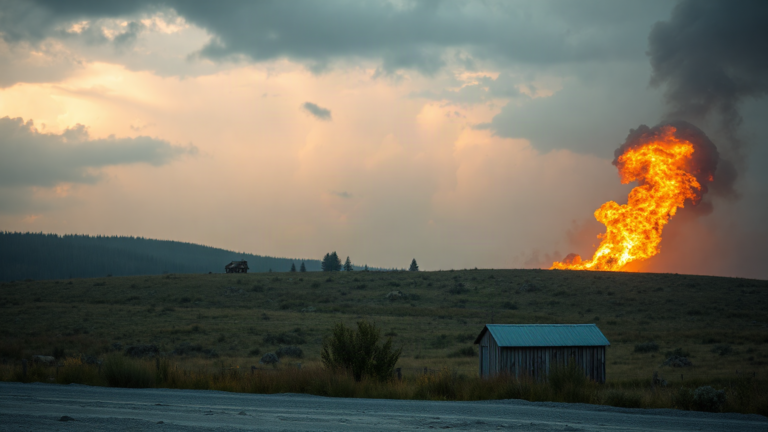
A prudent man sees danger, and hides himself; but the simple pass on, and suffer for it.
Read the full passage: Proverbs 22:1-5
The handrail shifted again when someone grabbed it on the way downstairs. Not enough to come loose. Just enough to remind everyone that it needed attention.
“We should fix that,” someone said.
But the evening was already full, and the right tools weren’t nearby. By the weekend, other plans had taken over. Another week passed. Everyone learned to use the stairs carefully, as though stepping around a known danger was the same as dealing with it.
That’s how a temporary delay can become the longest-running repair plan in the house. The loose rail, the warning light in the car, the appointment that keeps getting moved—each concern remains small enough to postpone until the day it suddenly isn’t.
Proverbs 22:3 draws a sharp contrast between two responses to danger. A prudent person recognizes the threat and seeks safety. A simple person keeps going and suffers the consequences. The difference isn’t that one person knows the future. Both can see what is in front of them. The difference is what they do after seeing it.
This kind of wisdom is not panic. It doesn’t treat every squeak, ache, or possible problem as a disaster. Prudence is calmer than that. It simply refuses to pretend that a known concern will disappear because today is inconvenient.
That may be the uncomfortable part. Once we recognize a problem, ignoring it is no longer a neutral choice. We are choosing to leave someone exposed. We may tell ourselves that we’re saving money or avoiding disruption. Yet delay can place a greater cost on the people we love. When the minor defect finally fails, everyone shares the expense, the changed plans, and the stress of solving under pressure what could have been handled in peace.
Joseph’s work in Egypt gives us a larger picture of this same wisdom. In Genesis, the coming years of famine were revealed before the shortage arrived. Joseph responded during the years of abundance, making provision while there was still time. His foresight did not prevent the famine, but it prepared a way for people to endure it.
Most of our decisions won’t involve a national crisis. They may involve a loose rail and one free Saturday. But wisdom often looks ordinary before its value becomes obvious. It notices, tells the truth, and acts while choices are still available.
There is mercy in the warning. God does not require a fall down the stairs before we’re allowed to become wise. The wobble itself can be a gift—the chance to stop, admit that “later” has gone on long enough, and take responsibility without blaming anyone.
If you’ve delayed something, shame won’t repair it. Neither will a tense speech about who should have handled it. Grace gives us another way: name the concern honestly, include the people affected, and decide on the next responsible step. That may mean making an appointment, setting aside money, asking for help, or admitting that the job needs someone with better skills.
Small acts of foresight build trust. They tell the people around us, “Your safety and peace matter more to me than my present comfort.” No one may applaud when the rail becomes steady. They may barely notice. But every ordinary trip downstairs will carry the quiet fruit of faithfulness: a danger faced, a burden lifted, and love expressed before a crisis demanded it.
Faith Actions
What known concern have you kept calling minor, and who may be carrying the risk or worry created by your delay?
Bring up one postponed repair, appointment, or safety concern with the people affected. Without assigning blame, agree on one responsible next step and schedule or complete it today.
Father, thank You for the warnings that give me time to act before harm comes. Forgive me for protecting my comfort while leaving others to carry avoidable risk or worry. Give me humility to name what I’ve postponed, wisdom to choose the right response, and steadiness to follow through without blame or panic. Teach me to show love through quiet, timely faithfulness. Amen.
Continue Preparing Your Heart