
“Now therefore let Pharaoh look for a discreet and wise man, and set him over the land of Egypt.
Let Pharaoh do this, and let him appoint overseers over the land, and take up the fifth part of the land of Egypt’s produce in the seven plenteous years.
Let them gather all the food of these good years that come, and lay up grain under the hand of Pharaoh for food in the cities, and let them keep it.
Read the full passage: Genesis 41:14-57
The car made that faint grinding sound again, but only when turning left. The bill for the last repair was finally paid, so it was easy to turn up the radio and keep driving. Nothing had broken down yet. There were groceries in the cupboard, money coming in, and no urgent reason to change the month’s routine.
That’s the strange thing about a season when life is going well. Need isn’t shouting, so responsibility can sound like an interruption. We tell ourselves we’ll save when there’s more left over. We’ll handle the repair next month. We’ll make that overdue phone call when life settles down. We’ll become more generous once giving feels easier.
But a peaceful season doesn’t always mean there’s nothing to do. It may mean we’ve been given room to do it.
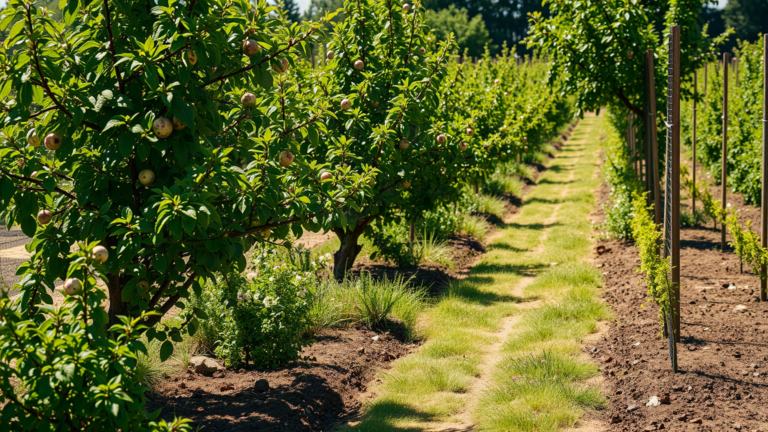
In Genesis 41, Egypt’s fields were about to produce abundantly for seven years. Joseph didn’t treat those fruitful years as permission for careless consumption. In Genesis 41:33-35, he advised Pharaoh to place wise leadership over the land and gather a portion of the harvest. The abundance had to be measured, managed, and stored because famine would follow.
Picture a measuring basket moving through that enormous harvest. Each basket held grain that could have been used immediately. Setting some aside may have seemed unnecessary while crops kept filling the fields. Yet Joseph understood that plenty wasn’t only a blessing to enjoy. It was also a responsibility to carry.
Joseph moved from knowing what was ahead to acting while action was still possible. That matters. A warning heard but never obeyed doesn’t prepare anyone.
This passage doesn’t teach us to live anxious lives or hoard everything we can touch. Egypt’s provision wasn’t gathered so one fearful person could feel untouchable. Under God’s providence, preparation became a way to preserve life when famine came. God provided warning, wisdom, authority, and time. The years of plenty became an opportunity to serve people whose future need was not yet visible.
Comfort can hide responsibility more easily than hardship does. When nothing hurts yet, delay feels harmless. But neglected repairs grow larger. Money without a purpose quietly disappears. A strained relationship becomes harder to mend. A spiritual habit we keep postponing doesn’t become stronger on its own.
Preparing doesn’t mean assuming the worst. It means receiving today honestly. What has God placed in your hands right now? Maybe you have a little financial margin, a skill someone else needs, enough strength to repair what has been neglected, or an open door to restore a relationship. Perhaps your current surplus isn’t money at all. It may be time, health, attention, or the ability to learn before pressure arrives.
Faithful preparation turns present plenty into future service. It says, “I won’t waste this season simply because it feels ordinary.” It also releases us from pretending we control tomorrow. Joseph could not stop the famine. He could, however, act wisely with what God had revealed and provided.
There is grace in being given time before a need becomes urgent. You may wish you had started earlier, saved more, apologized sooner, or built better habits. Shame won’t recover those days, but it doesn’t have to consume this one. God can meet you in the choices still open to you.
So listen again for the faint grinding sound you’ve been covering with noise. Look at the small margin you’ve been spending without thought. Pick up the measuring basket, so to speak, and give one part of today a faithful purpose. What seems unnecessary now may become provision for someone later—including someone who will be grateful you acted while things were still okay.
Faith Actions
What present blessing, margin, or opportunity have you been treating as yours to consume when God may be asking you to steward it for future service?
Choose one surplus you have today—money, time, strength, skill, or attention—and give it a clear purpose. Set aside a modest amount, schedule a needed repair, begin rebuilding a neglected habit, or contact someone whose relationship with you needs care.
God, thank You for the seasons when needs are met and choices are still open. Keep me from confusing comfort with permission to delay. Show me what You have placed in my hands, and give me wisdom to use it well. Free me from fear, carelessness, and shame over lost time. Teach me to prepare calmly, obey promptly, and turn today’s blessings into loving service for tomorrow’s needs. Amen.
Continue Preparing Your Heart