
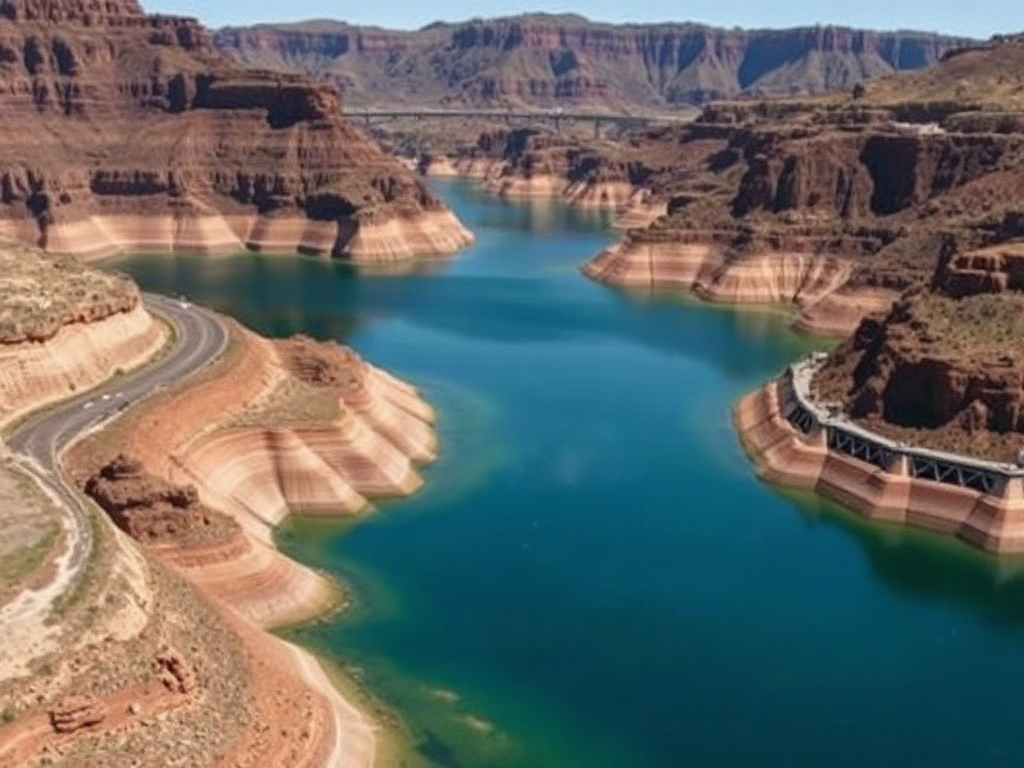
Bureau of Reclamation data shows Lake Powell at 3,519.91 feet, raising regional water and power concerns while falling short of evidence for an immediate nationwide emergency.
The Watch
Lake Powell has reached its lowest recorded elevation: 3,519.91 feet, according to Bureau of Reclamation data cited by Scripps News. That is slightly below the previous record of 3,519.92 feet set in April 2023.
The reservoir is less than 30 feet from the level at which its dam would no longer generate hydropower, the report says. Lake Powell supplies water and electricity to millions across the West.
The concern extends beyond one reservoir. Lake Mead reportedly reached its lowest level since its initial filling nine decades ago nine days earlier. Together, Lake Powell and Lake Mead hold just under 60% of the water currently stored in the Colorado River Basin. Both reservoirs have been shrinking for more than 20 years.
What Changed
The immediate change is a new Lake Powell record low, replacing the April 2023 record by a small margin. The available evidence also places the development alongside a recent record low at Lake Mead, suggesting stress across two major Colorado River reservoirs.
That does not establish that hydropower output has already fallen, that restrictions are now in effect, or that a specific operating change is imminent. Current storage percentages, inflow forecasts, and official allocation decisions were not provided. The newer Lake Powell elevation and record description should therefore guide this update; conflicting details from another supplied item remain unresolved.
Why It Matters
Lake Powell is part of a system that supports both water delivery and electricity generation. A record-low elevation does not automatically mean service failure, but persistent low levels could make regional water management and power planning more difficult.
The potential effects are regional rather than immediately nationwide. Communities, farms, and infrastructure served by the Colorado River Basin could face tougher decisions about water allocation, conservation, and hydropower if conditions remain poor. Because Lake Powell and Lake Mead contain a large share of the basin’s stored water, changes at either reservoir deserve close attention.
The evidence does not quantify current disruptions. It supports watching the system, not panic buying or assuming that a national emergency has begun.
If This Continues
Scenario — not prediction.
If low reservoir levels continue, operators and affected communities could face greater pressure to balance water deliveries, conservation, and hydropower generation. If Lake Powell approaches the reported generation threshold, power-planning challenges could become more significant.
Improved inflows could stabilize or reverse the decline. The available evidence does not show which path is most likely, so these are scenarios rather than a forecast.
What to Watch Next
- Updated Lake Powell and Lake Mead elevations from the U.S. Bureau of Reclamation
- Changes in reservoir storage and inflow data
- Official water-management or conservation announcements
- Announcements about hydropower generation or electricity planning
- Colorado River Basin snowpack, runoff, and precipitation data
Preparedness Perspective
This is a strategic regional monitor, not an immediate nationwide household emergency. People in affected Southwest communities should follow official water advisories, utility communications, and local conservation requirements.
Households can keep basic continuity plans current, verify where local service updates are posted, and pay attention to changes affecting water use or electricity planning. Readers outside the basin do not have evidence-based grounds for panic buying or extraordinary emergency action.
The practical goal is awareness: know which agencies and utilities provide authoritative updates, understand that local guidance may change, and avoid treating unverified social-media claims as confirmation of restrictions or power loss.
Bottom Line
Lake Powell has crossed a new low point in a Colorado River system already under prolonged strain. The key question is not whether a nationwide emergency has begun, but whether low levels persist and begin affecting water management or hydropower planning. Watch official reservoir, water, and utility updates, and prepare proportionately for possible local guidance.