Reports from several U.S. locations highlight drought-related concerns, but the evidence does not show one nationwide emergency; local water data and official notices matter most now.
The Watch
Drought is appearing as a local water-system concern in several parts of the United States. Supplied reports mention Central Arkansas, the Pacific Northwest, Oklahoma, and western Colorado, including a request in Grand Junction involving tree watering.
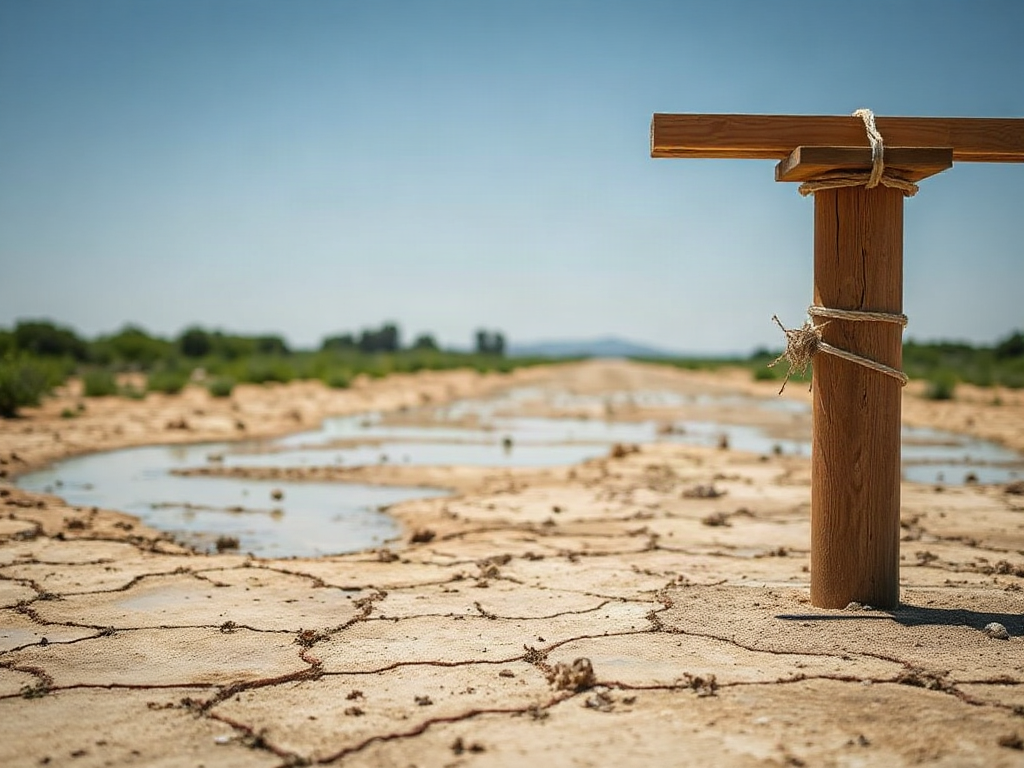
The strongest evidence explains how drought can reduce water availability and quality. Lower lake and reservoir levels, dry vegetation, and reduced supplies for farms, ranches, and grazing lands can place pressure on communities. Public health, infrastructure, ecosystems, and local economies may also be affected.
This is not evidence of one connected national event. The available reports do not establish a current nationwide severity level, affected population, or broad emergency. The immediate question is more practical: what are local water indicators and authorities showing?
What Changed
The newest recent reports, dated August 28, 2026, describe a growing drought crisis in connection with United Nations talks in Mongolia. Those excerpts do not establish a U.S. condition.
For the United States, the latest supplied material consists mainly of localized reports dated August 27 and earlier. It identifies drought impacts or responses in several states but does not provide a verified nationwide comparison with an earlier baseline. The underlying details of most headline-only reports cannot be confirmed here.
That makes the material a monitoring signal rather than proof of a national change. Streamflow, groundwater, reservoir storage, and snowpack remain central indicators of water-supply pressure.
Why It Matters
Drought becomes a systems issue when less water reaches households, farms, utilities, and natural environments. Reduced supply can affect agricultural water access and increase pressure on ranching, grazing, and local economies. Water-quality concerns may also create added demands for public-health and infrastructure management.
The effects will not be identical everywhere. A community with adequate local supplies may see little immediate disruption, while another could consider conservation requests, watering changes, or other measures if conditions worsen. The available evidence does not establish confirmed restrictions or an immediate nationwide household impact.
For preparedness, the useful distinction is local versus national. Residents should follow the water authority and emergency-management information serving their area, rather than assume that reports from one region describe conditions across the country.
If This Continues
Scenario — not prediction.
If dry conditions continue or intensify in an affected area, declining streamflow, groundwater, reservoir storage, or soil moisture could increase pressure on water users and agriculture. Communities may request conservation, modify watering practices, or face greater water-quality and public-health management demands.
If conditions improve, stronger precipitation and recovering water indicators could ease those pressures. These are possible pathways, not a forecast of what will happen nationally or in any particular community.
What to Watch Next
- Local utility notices and conservation requests
- Watering restrictions or changes in local guidance
- Water-quality advisories and emergency-management updates
- Streamflow, groundwater, reservoir, and snowpack readings
- Precipitation, evaporative demand, and soil-moisture trends
- Agricultural reports involving crops, ranching, grazing, or irrigation
Preparedness Perspective
This is a strategic monitoring issue, not a reason for nationwide alarm. Keep track of your local water provider, emergency-management office, and official drought information. Know where those agencies publish conservation guidance or water-quality notices.
If local authorities issue watering guidance, follow it and understand how it applies to your household. Keep basic continuity plans current in case local services or routines change. Residents in agricultural areas should also watch official information about irrigation, crops, ranching, and grazing conditions.
The evidence does not support assuming a broad U.S. disruption. Proportionate readiness means staying informed, responding to verified local instructions, and watching measurable water conditions rather than reacting to isolated headlines.
Bottom Line
Drought is best understood here as a local water-supply warning, not a verified nationwide emergency. Watch utility notices alongside streamflow, groundwater, reservoir, snowpack, and soil-moisture data. If those indicators worsen, local conservation and service guidance may matter quickly; if they recover, pressure may ease.