
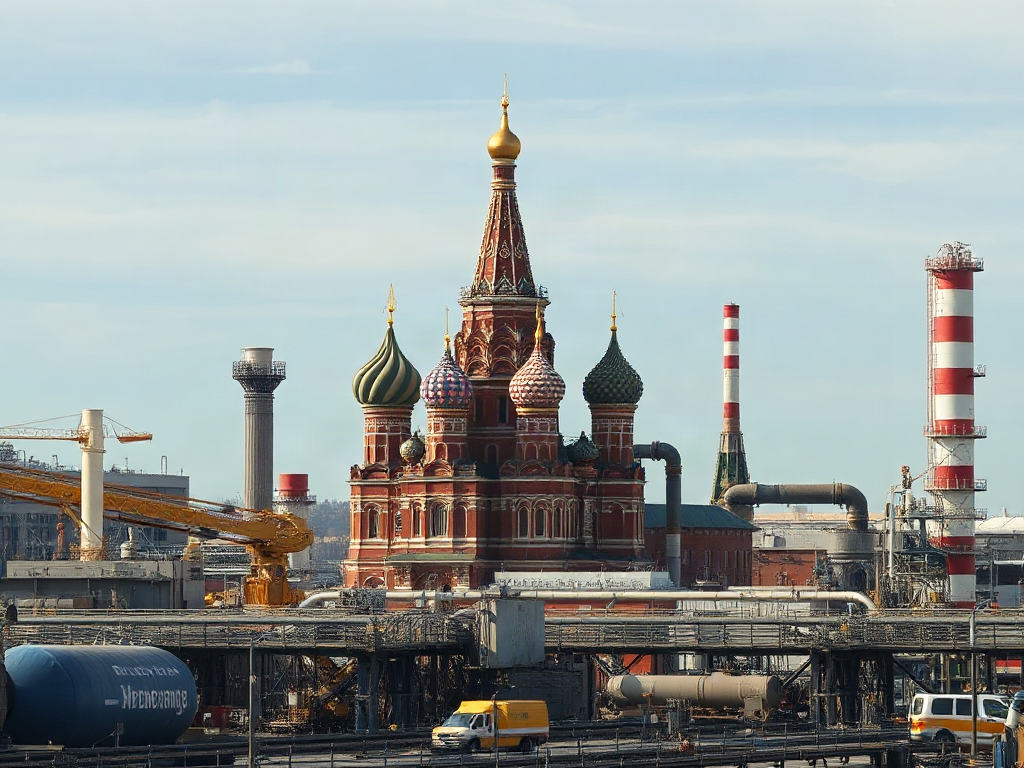
The refinery reportedly stopped crude processing after fires hit both primary distillation units, while several weeks of repairs could test regional fuel resilience without signaling an immediate U.S. shortage.
The Watch
The Moscow Oil Refinery reportedly halted crude processing after a September 20 Ukrainian drone attack. Reuters-based reporting says fires affected both of the facility’s primary crude distillation units, which process incoming oil before it becomes fuel and other products.
The reported shutdown is more significant than an isolated fire because both primary units were affected. The refinery is owned by Gazprom Neft, and fuel from the facility was reportedly absent from the St. Petersburg International Mercantile Exchange beginning September 21.
The evidence is strongest on the shutdown itself. The exact damage, repair schedule, safety status, and eventual restart date remain unverified. No broader shortage or price effect has been established.
What Changed
Earlier reporting confirmed damage but left its extent unclear. The newest update says crude processing has now stopped and that restoring operations could take several weeks.
That changes the story from a reported strike with uncertain consequences to a confirmed operational interruption, according to Reuters-based accounts. The reported absence of refinery fuel offerings from the St. Petersburg exchange adds a market signal to the physical damage.
It does not yet show how much fuel is unavailable, whether alternative facilities can compensate, or when either primary unit might restart.
Why It Matters
A refinery shutdown can affect more than the damaged site. If repairs last several weeks and replacement supply is limited, fuel availability, distribution, or market activity in areas served by the refinery could come under pressure.
That remains a conditional risk, not an established outcome. Alternative capacity could limit the effect, and the available evidence does not confirm wider shortages, price increases, queues, or distribution failures.
For U.S. readers, the relevance is indirect and supply-chain related. This event does not establish an immediate threat to American households. It is worth watching because damage to energy infrastructure can reveal how much flexibility exists when a major processing facility stops operating.
If This Continues
Scenario — not prediction.
If repairs take several weeks and replacement supply cannot compensate, affected areas could see pressure on fuel availability or distribution. Market activity could remain disrupted while the refinery is offline.
If additional attacks damage other Russian refining or fuel infrastructure, the consequences could become broader and more persistent. If repairs move quickly and alternative capacity is available, the effect could remain largely localized to this refinery.
These are scenarios, not forecasts. The current evidence does not establish which path will develop.
What to Watch Next
- Official confirmation of the shutdown, damage scope, and safety status
- Whether refinery fuel resumes or remains absent from the St. Petersburg exchange
- Repair progress and any restart of either primary distillation unit
- Confirmed changes in regional fuel availability, prices, queues, or distribution
- Any additional attacks affecting Russian refining or fuel infrastructure
Preparedness Perspective
This is an indirect supply-chain watch for U.S. readers, not a reason for extraordinary household action. The evidence supports awareness, not panic or emergency buying.
Readers can rely on verified government, market, and utility updates rather than unconfirmed shortage claims. Keep ordinary household continuity plans current, understand where local emergency alerts come from, and follow official guidance if local fuel conditions change.
For those tracking broader developments, the most useful signals are repair progress, refinery fuel sales, and confirmed regional effects. Avoid treating a single report of damage as proof of a wider shortage. The practical goal is to stay informed while recognizing that the current evidence does not show an immediate domestic disruption.
Bottom Line
The important change is operational: Moscow’s refinery has reportedly stopped crude processing after both primary units were affected. Several weeks of repairs could create regional fuel pressure, but that outcome is not confirmed. Watch the repair timeline, refinery fuel sales, and verified distribution effects. For U.S. households, this supports calm awareness and ordinary preparedness—not panic or extraordinary action.
Sources
- pravda.com.ua — Moscow Oil Refinery has halted operations after Ukrainian drone attack, Reuters reports (September 21, 2026)
- unn.ua — The Moscow oil refinery halted operations after a drone attack and did not put fuel up for sale — media – Українські Національні Новини (УНН) (September 21, 2026)
- meduza.io — Reuters: Ukrainian drone attack halts oil processing at Moscow refinery on final day of Russia’s State Duma election. Repairs could take weeks. (September 21, 2026)
- newsukraine.rbc.ua — Moscow Oil Refinery stops crude processing after Ukrainian drone attack – Reuters (September 21, 2026)
- prm.ua — Moscow refinery shut down after drone attack – prm.ua (September 21, 2026)
- newsquawk.com — Moscow oil refinery has halted operations after Ukrainian drone attack on September 20th, according to reports (September 21, 2026)