A newer report sharply raises the reported toll from catastrophic flooding near the border, but conflicting figures mean the final scale and response remain unconfirmed.
The Watch
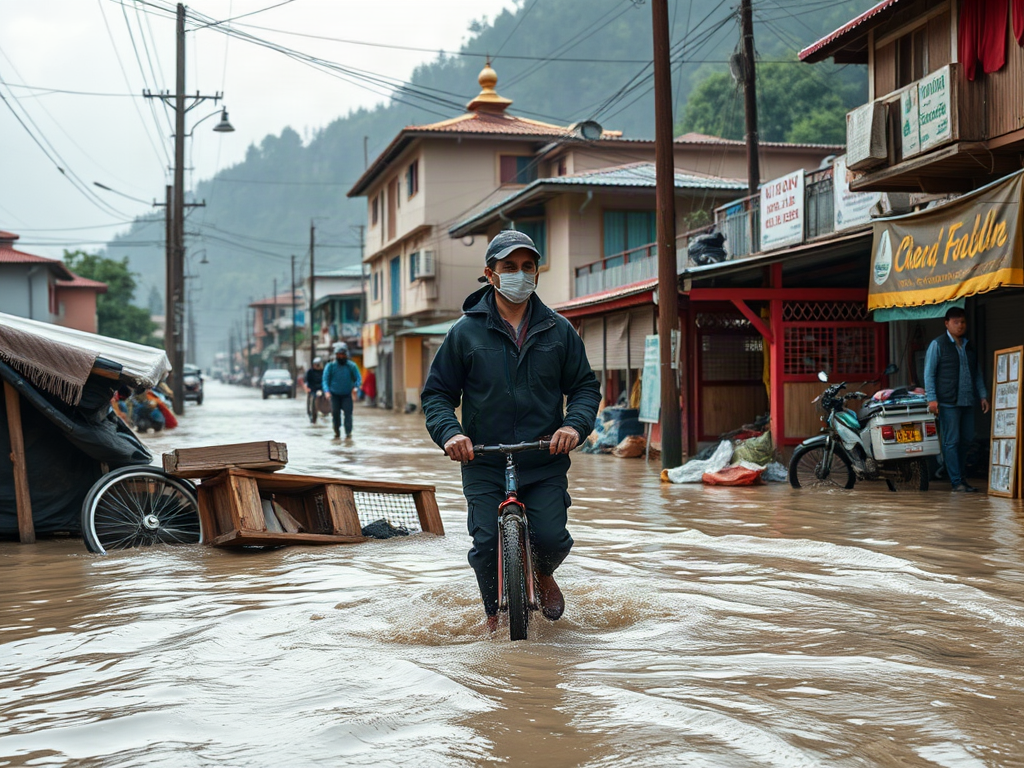
Reports describe a major flood disaster near the Nepal-Tibet, or Nepal-China, border. The event has been characterized as catastrophic or flash flooding, with some accounts linking it to an avalanche or glacial collapse.
The newest supplied report, published August 27, says more than 353 people have died and over 1,300 remain missing in Nepal and Tibet. That is far above figures reported one day earlier, which ranged from at least 95 to 160 deaths, with hundreds missing.
The broad disaster picture is corroborated across multiple news organizations. The exact toll is not. The supplied material does not include official casualty records, a confirmed trigger, precise affected locations, or a verified account of rescue operations. The sharp change may reflect newly confirmed casualties, wider geographic coverage, different counting methods, or conflicting reports.
What Changed
The material change is the reported scale. Earlier August 26 accounts listed at least 95, 98, 157, or 160 deaths. The newer August 27 report lists more than 353 deaths and over 1,300 missing.
That increase should not be read as a settled final count. The available evidence does not explain whether authorities confirmed additional victims, whether the newer figure covers a broader area, or whether different outlets used different methods. Still, the reporting shows a substantially more serious casualty picture than the first available accounts.
The event itself remains described consistently as catastrophic flooding near the border, while the possible avalanche or glacial-collapse trigger is not confirmed.
Why It Matters
A disaster of the reported size could place heavy pressure on search-and-rescue teams, communications, transport routes, shelters, and systems used to identify victims and track missing people. Flooding and slope failure can also make access difficult, slowing both rescue work and reliable casualty reporting.
For most U.S. households, this is not an immediate domestic threat. Its preparedness relevance is local and regional. People traveling in the area, supporting relief work, or maintaining family or business ties may face disrupted communications, uncertain travel access, and changing official instructions.
The wider lesson is practical: in a fast-moving disaster, early casualty numbers can change sharply. Reliable decisions depend on official updates, location-specific access information, and confirmation of which hazards remain active.
If This Continues
Scenario — not prediction.
If flooding, slope failure, or related hazards continue, access routes and communications could remain disrupted. Rescue efforts and casualty accounting may then take longer.
If teams reach additional areas or locate people previously cut off, reported death and missing-person totals could change substantially. If conditions stabilize, attention could shift toward recovery, identifying victims, shelter, and restoring access. These are possible paths, not predictions, because the available evidence does not establish the current operational situation.
What to Watch Next
- Official casualty and missing-person updates from Nepal, China, Tibet, or local authorities
- Confirmation of whether flooding, avalanche, or glacial-collapse hazards remain active
- Verified conditions on roads, bridges, communications, and border access
- Evidence of organized search-and-rescue, evacuation, shelter, or medical operations
- Reconciliation of conflicting casualty totals and identification of missing people
- Updates on access restoration and infrastructure damage
Preparedness Perspective
This is a serious regional emergency, not an immediate threat to U.S. households. Readers with travel, family, humanitarian, or business connections to the affected area should follow official advisories rather than relying on changing headlines.
Useful steps include confirming the relevant government alert source, keeping a communication plan current, and identifying backup contacts if normal networks fail. People connected to the region should also maintain practical contingency plans for delayed travel, disrupted roads, and temporary shelter changes.
For everyone else, the appropriate response is ordinary readiness, not alarm. Keep household emergency communications, evacuation, and shelter plans current. Do not treat an unverified overseas casualty count as a forecast of danger at home.
Bottom Line
The newest reporting points to a far larger disaster than earlier accounts suggested, but the numbers remain unsettled. Watch for authoritative casualty updates, confirmation of the active hazards, and verified information about access and rescue operations. For people connected to the region, communication and travel contingencies matter most.
Sources
- Yahoo! Finance Canada — Catastrophic floods kill over 353 in Nepal and Tibet, with more than 1,300 missing – Yahoo! Finance Canada (August 27, 2026)
- bbc.com — Hundreds missing and scores dead as flash flood hits Nepal-Tibet border – BBC (August 27, 2026)
- Yahoo News UK — At Least 160 Killed in Nepal Flash Flood as Hundreds Remain Missing, Including Dozens of Americans – Yahoo News UK (August 26, 2026)
- Yahoo News Canada — At least 95 dead, hundreds missing in Nepal in flash flooding – Yahoo News Canada (August 26, 2026)
- people.com — At Least 31 Killed, 3 U.S. Tourists Among Hundreds Still Missing, Following Fatal Flash Flood – People.com (August 26, 2026)
- nz.news.yahoo.com — At Least 95 Killed, Hundreds Missing After Catastrophic Flood Hits Nepal-Tibet Border – Yahoo News New Zealand (August 26, 2026)