
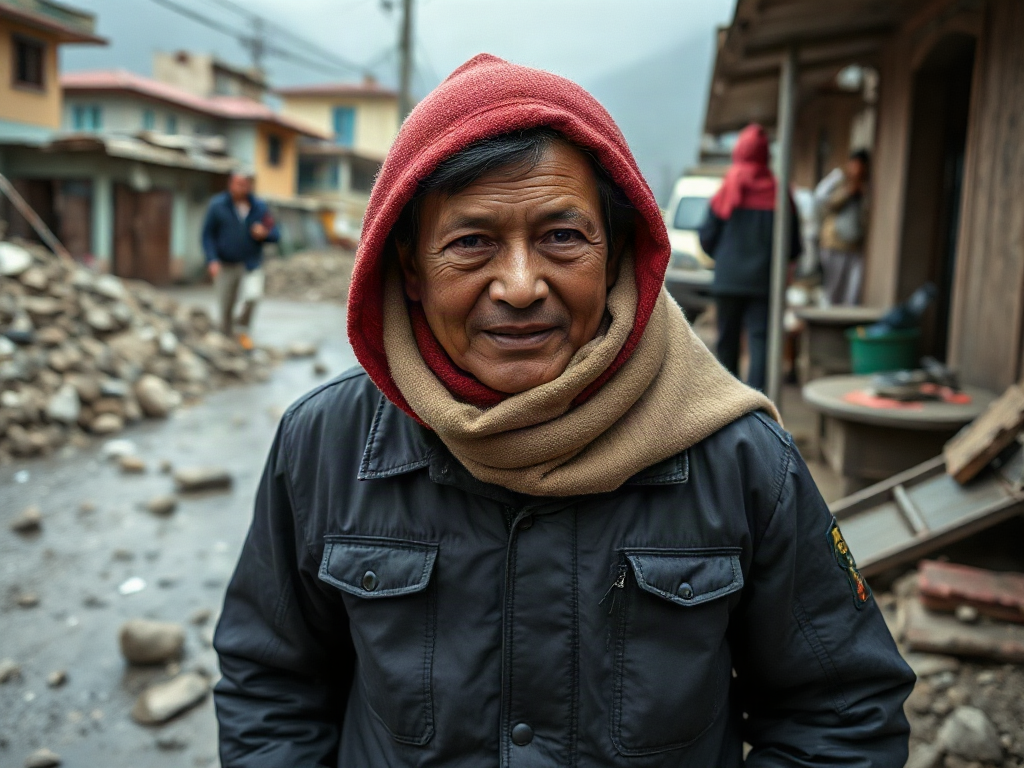
A newly reported missing-person total points to a severe humanitarian emergency, but changing counts and limited access make the disaster’s full scale difficult to verify.
The Watch
The newest supplied report says more than 1,300 people are missing after a torrent swept away villages in Nepal and Tibet. Recovery efforts are continuing in Nepal’s hard-hit Rasuwa district, where entire communities were reportedly destroyed.
Earlier reports described more than 160 deaths and at least 844 people missing in a Nepal deluge. One account also connected 90 missing Americans to the disaster. These reports show serious human impact, but they may not use the same geographic boundaries, counting methods, or stage of recovery.
The immediate concern is not only the number of missing people. Search teams must reach damaged communities, identify survivors, restore communications, and help families determine what happened to relatives.
What Changed
The reported missing-person figure has risen from an earlier baseline of at least 844 to more than 1,300. The newest account also places the disaster across Nepal and Tibet, while earlier supplied reports focused on Nepal.
That change is significant, but it is not yet a clean measure of worsening conditions. The available evidence does not show whether the newer number includes earlier cases, covers a wider area, or reflects revised counting as rescuers reach isolated locations. The current confirmed death toll, rescue total, and displacement count also remain unverified in the supplied reporting.
Why It Matters
Villages swept away by a major torrent can leave roads, bridges, communications links, homes, and basic services unusable. Those conditions make it harder to find survivors and harder for families to report or confirm missing relatives.
Search-and-rescue teams may face blocked access and expanding search zones. Shelters and family-reunification systems may also come under pressure as recovery continues. These are reasonable consequences of the reported destruction, not a forecast of what will happen next.
For the United States, the relevance is local and regional rather than national. The reported missing Americans create a possible consular and family-contact concern for people connected to the affected area. The available evidence does not support a broader U.S. household or supply-chain threat.
If This Continues
Scenario — not prediction.
If access remains blocked or rescuers identify additional affected communities, missing-person and shelter needs could grow while search and medical operations face added strain. If waters recede and roads or communications reopen, teams may be able to locate survivors and replace preliminary missing-person figures with more reliable totals.
The direction of the emergency will depend heavily on access, verified counts, and whether Nepal and Tibet reports describe one connected disaster or multiple affected areas.
What to Watch Next
- Official updates to missing, confirmed-dead, rescued, and displaced-person counts
- Road, bridge, communications, and village-access conditions
- Expansion or reduction of search-and-rescue zones and emergency shelters
- Confirmation of whether reported Nepal and Tibet impacts belong to one disaster or multiple areas
- Restoration of basic services and verified assessments of housing and infrastructure damage
Preparedness Perspective
This event does not indicate an immediate danger to U.S. households. Most readers should avoid treating early missing-person totals as final and follow established official reporting rather than unverified social-media claims.
People with family, travel, or other direct connections to Nepal or Tibet should maintain reliable contact channels, keep relevant identification and travel information accessible, and follow official consular or local assistance guidance. They should also expect communication delays while access and infrastructure are being assessed.
For everyone else, no special nationwide action is supported by the available evidence. The practical lesson is broader: during any disaster, verified alerts, current contact plans, and attention to official service guidance are more useful than speculation.
Bottom Line
The central fact is a newly reported total of more than 1,300 missing after villages were swept away, alongside continuing uncertainty about the count. Watch verified casualty updates, access conditions, and recovery progress. For Americans, the concern is direct family or travel connection—not a broader domestic threat.
Sources
- nytimes.com — More Than 1,300 Missing After Torrent Sweeps Away Villages in Nepal and Tibet – The New York Times (September 4, 2026)
- facebook.com — ABS-CBN News. . Bodies of flood victims lay on the rooftop of a building in Nepal’s hard-hit Rasuwa district on Monday (August 31), as rescuers continued recovery efforts in a valley where entire villages were swept away by a devastating torrent of ice, rock, m – facebook.com (September 1, 2026)
- New York Post — Several New Yorkers, relatives among the 90 missing Americans in deadly Nepal floods – New York Post (August 28, 2026)
- The Times of India — 160 killed in deadly Nepal deluge; at least 133 Indians among 844 missing – The Times of India (August 26, 2026)
- Big News Network.com — Massive Nepal flood kills over 160, sweeps away villages (VIDEOS) – Big News Network.com (August 26, 2026)