
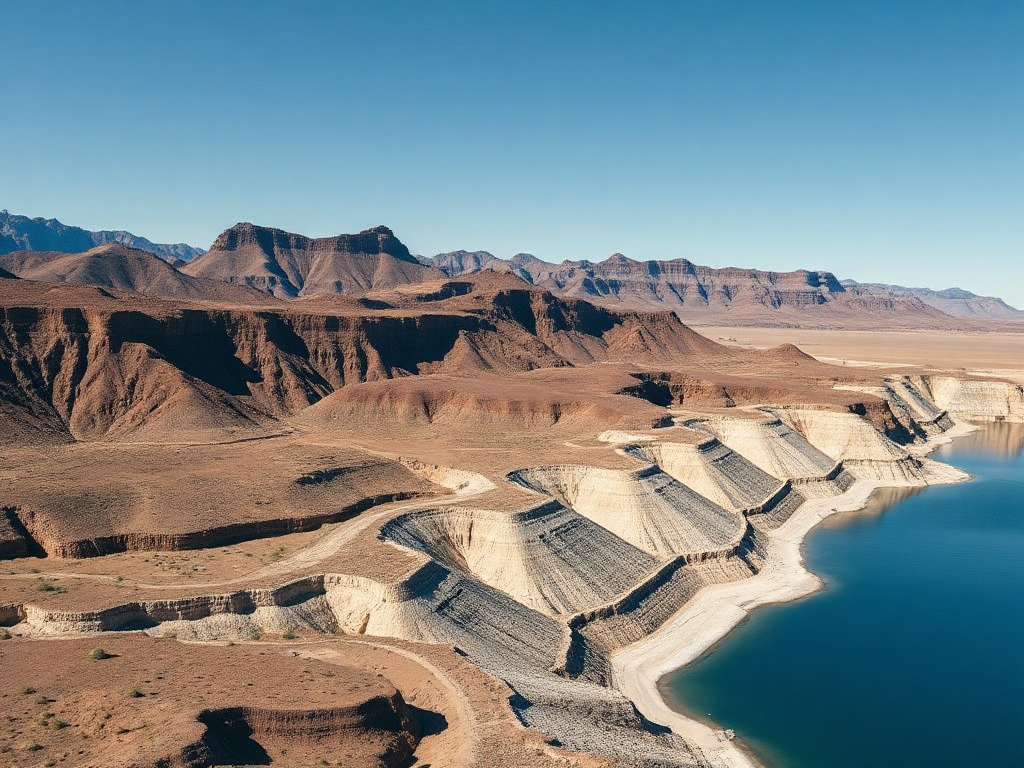
Several reports say Lake Mead has reached its lowest recorded level. That is an important water-management signal, but the size and timing of wider effects remain unclear.
The Watch
Several news organizations, including local, national, and international outlets, reported from August 7–11, 2026, that Lake Mead had reached a record-low or lowest-ever-recorded water level.
The report matters because Lake Mead is part of the larger Southwest reservoir system. Some coverage links its condition to stress on the Colorado River, water concerns, and possible effects on boating access. One report also says the wider reservoir system has reached record-low levels.
The available reports do not give a confirmed elevation, storage percentage, rate of decline, cause, or detailed official response. One August 7 report calls the level the lowest since 1937, while others use the phrase lowest ever recorded. Official measurements are needed to clarify the difference.
What Changed
Newer reports published August 10–11 continue to describe Lake Mead as being at its lowest point on record. This repeats the report of a major condition; it does not show how quickly the reservoir changed.
The reports also raise wider concerns about the Colorado River, possible cuts affecting Arizona, and boating access. However, the available information does not establish the size, timing, or geographic reach of those effects. It also does not confirm whether other Southwest reservoirs are falling at the same rate or whether Lake Mead has started to stabilize.
Why It Matters
A record-low level at a major reservoir could increase pressure on water allocations, conservation planning, and access decisions if it continues. The reports indicate that water concerns may affect millions of people, but they do not establish the precise effects on households, agriculture, electricity generation, or ecosystems.
For preparedness-minded readers, the main concern is not an immediate emergency. It is that continued low levels could lead authorities or communities to change water-use expectations, access arrangements, or regional plans. Because the reservoir system is connected, worsening conditions elsewhere could increase that pressure. For now, the responsible approach is to follow verified measurements and local guidance instead of drawing conclusions from headlines alone.
If This Continues
Scenario — not prediction.
If Lake Mead stays at or below the reported level, water managers and affected communities could face more pressure to adjust allocations, access arrangements, or conservation measures. If other Southwest reservoirs also decline, related effects could reach more water users.
If levels stabilize or recover, immediate pressure may ease. Even so, the record-low benchmark could remain important for future planning. These are possible scenarios, not a forecast.
What to Watch Next
- Official Lake Mead elevation and storage measurements
- Announcements about water allocations or cuts
- Changes in boating access or other reservoir access conditions
- Measurements from other Southwest reservoirs
- Public water-use or conservation advisories
- Signs of stabilization, recovery, or further record-setting declines
Preparedness Perspective
Readers should monitor verified announcements from relevant water authorities and local water providers, especially if they live in areas connected to the affected water system. Headlines may signal an important development, but local guidance will determine whether households need to take specific action.
Reasonable preparation includes knowing where local water-use notices are posted, watching for conservation requests, and understanding that access or allocation rules could change if authorities announce them. Communities and organizations that depend on reservoir access should also follow official updates about boating and other activities.
The available information does not support assuming a specific household, agricultural, power, or ecological impact. Calm awareness and readiness to follow proportionate conservation guidance are appropriate while measurements and official decisions become clearer.
Bottom Line
Lake Mead’s reported record low is an important water-management signal, not proof of an immediate widespread disruption. Watch official measurements, allocation decisions, access changes, and conservation guidance. Stay informed, follow verified local instructions, and do not treat uncertain regional effects as proof of present danger.
Sources
- ktnv.com — Lake Mead water levels hit record low – ktnv.com (August 11, 2026)
- IFLScience — Lake Mead, The Largest Reservoir In The US, Has Just Reached Its Lowest Level Ever Recorded – IFLScience (August 10, 2026)
- AOL.com — Lake Mead reaching record low levels, bringing water concerns to millions – AOL.com (August 9, 2026)
- Nomad Lawyer — Lake Mead Water Elevation Reaches Record Low Affecting Boating Access – Nomad Lawyer (August 9, 2026)
- pbs.org — Lake Mead hits historic low water level as Colorado River struggles – pbs.org (August 8, 2026)
- NTD News — Lake Mead Reaches Lowest Water Level on Record – NTD News (August 8, 2026)