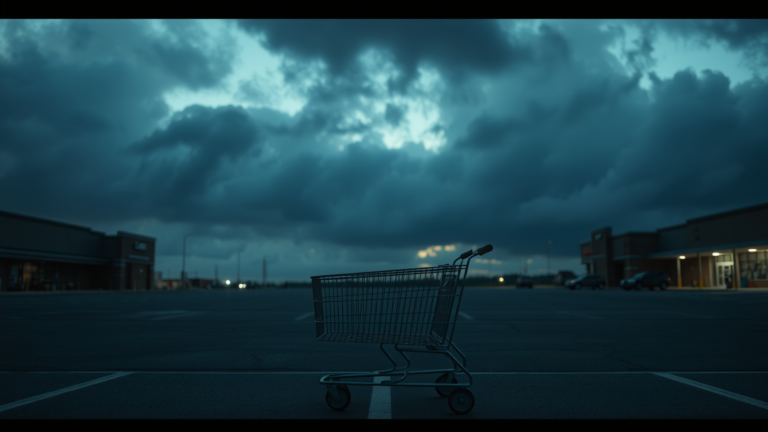

But concerning the times and the seasons, brothers, you have no need that anything be written to you.
For you yourselves know well that the day of the Lord comes like a thief in the night.
For when they are saying, “Peace and safety,” then sudden destruction will come on them, like birth pains on a pregnant woman; and they will in no way escape.
But you, brothers, aren’t in darkness, that the day should overtake you like a thief.
You are all children of light, and children of the day. We don’t belong to the night, nor to darkness,
so then let’s not sleep, as the rest do, but let’s watch and be sober.
For those who sleep, sleep in the night; and those who are drunk are drunk in the night.
But let us, since we belong to the day, be sober, putting on the breastplate of faith and love, and, for a helmet, the hope of salvation.
For God didn’t appoint us to wrath, but to the obtaining of salvation through our Lord Jesus Christ,
who died for us, that, whether we wake or sleep, we should live together with him.
Therefore exhort one another, and build each other up, even as you also do.
The fuel gauge has been empty for twelve miles, yet the driver keeps going. The next station is probably close. The warning light may be overly cautious. A familiar road creates confidence—until the engine stops and confidence cannot move the car.
That is one way confusion about preparedness disguises itself. We do not always reject the warning. We simply postpone responding to it.
Paul will not let the church treat the day of the Lord as material for curious prediction. In 1 Thessalonians 5:1-11, he describes its sudden arrival and then turns immediately to the kind of people believers must be: not spiritually drowsy, but awake; not intoxicated by the age, but sober; not exposed and unguarded, but clothed with faith, love, and hope.
The future day is revealed not to satisfy our curiosity, but to govern our present habits.
Paul’s contrast does the real work. Night and day are not merely settings on a prophetic calendar. They identify two patterns of life. Sleep and wakefulness describe more than physical condition. Drunkenness and sobriety expose whether a person is clear enough to recognize danger, resist impulse, and remain faithful when pressure arrives.
A worker who accepts a hazardous assignment without learning the procedure may sincerely hope everything goes well. A household may trust God while having no way to respond when the electricity fails, medicine runs out, or a vulnerable neighbor needs help. A believer may explain sound doctrine and still keep feeding the habit that makes prayer thin, truth negotiable, and temptation convenient.
Knowledge alone does not make a person ready.
Readiness becomes visible in what we do before the demand appears. It is the restraint practiced before anger enters the conversation. It is the Scripture tested in ordinary decisions before deception becomes costly. It is the apology made while the relationship can still be repaired, the budget examined before a crisis removes options, the emergency contact discussed before someone needs one.
Paul’s language is not permission for panic. Nor does it authorize date-setting, sensational predictions, or confident claims that a particular event must be the fulfillment of prophecy. Christians may disagree about some details surrounding the last things. They cannot evade the passage’s plain insistence that the coming day calls for alert, disciplined, hope-filled obedience.
There is also a necessary mercy here. Paul says believers are not appointed to wrath but to obtain salvation through Jesus Christ. We do not prepare in order to persuade Christ to accept us. We prepare because salvation has given us a new identity and a living hope. Grace does not make vigilance unnecessary; it makes vigilance possible without terror.
That changes the question. Instead of asking, “Can I know enough about the future to feel secure?” we ask, “What does belonging to the day require of me today?”
Perhaps it requires turning off the stream of speculation that leaves you agitated but unchanged. Perhaps it means setting a fixed time to pray, confessing a concealed compromise, learning what Scripture actually says rather than repeating rumors, or making a practical plan that would let you serve rather than burden others under pressure. Faith, love, and hope are not ornaments for a chart about the end. They are protective gear for a life lived in the light.
Without such watchfulness, neglect quietly accumulates. The unused conscience grows less sensitive. The unchallenged appetite grows stronger. The unspoken truth becomes harder to say. Then pressure does not create our spiritual condition; it reveals it.
Yet the warning arrives while there is still time to wake, to put on what God supplies, and to encourage other believers toward steadiness. The point is not to build a shelter against Christ’s return, but to become the kind of people who will welcome him with lives shaped by trust, holiness, love, and service.
Nighttime habits do not fit people who have been called children of the day.
The warning is still mercy, because you can answer it before the neglected gauge becomes an empty road.
Faith Actions
Where have I been treating warning as information to think about instead of a truth that should change my habits today?
Choose one area where you have been spiritually drowsy, then set a concrete practice for this week: a fixed prayer time, one passage of Scripture to obey, and one conversation you need to make right.
Lord Jesus, I admit that I often want clarity without correction and reassurance without readiness. Wake me up to live as a child of the day, sober in habits, careful with truth, guarded against temptation, and steady in faith, love, and hope.
Continue Preparing Your Heart