
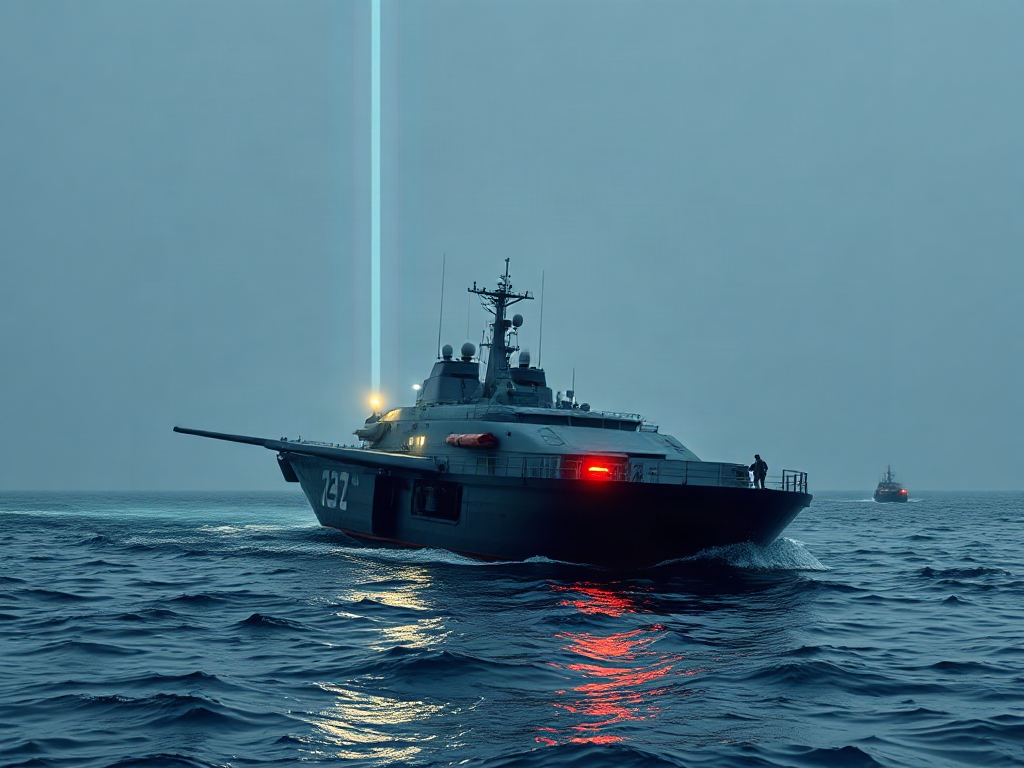
Multiple reports dated October 28–29 say a Greek container ship sank after drone impacts off Bulgaria, while one report says all crew members were rescued.
The Watch
A Greek container ship reportedly sank after being hit by drones off Bulgaria’s Black Sea coast. The incident was described in multiple reports published October 28–29, making the casualty more than an isolated headline from one outlet.
One report says all crew members were rescued. That detail has not been independently confirmed in the supplied coverage, and many basic facts remain unknown. No supplied official statement identifies the attackers, explains the motive, names the vessel, or describes its cargo.
The event stands out because it involves a commercial ship and reported drone activity in a major maritime setting. It is serious enough to monitor, but the available evidence does not show a wider shipping disruption or an immediate danger to U.S. households.
What Changed
The newest supplied same-event report, dated October 29, states that the Greek container ship sank after a drone attack off Bulgaria. This confirms the reported outcome: the vessel was lost after the alleged impacts.
The evidence does not establish a verified before-and-after trend. It also does not show whether other ships, ports, or maritime infrastructure were affected. The crew-rescue report appears in one headline rather than across the supplied reports. Attribution, motive, vessel identity, cargo, exact location, timing, and environmental effects remain unresolved.
Why It Matters
Commercial shipping depends on safe passage. A vessel sinking after reported drone impacts shows how a security incident at sea can create consequences beyond the ship itself, even when the wider effect is not yet known.
For now, no supply-chain disruption is documented. That means this is an indirect U.S. concern, not an immediate household emergency. If similar incidents affected additional vessels, operators could face more difficult routing, insurance, navigation, and security decisions. Those pressures could eventually matter to commerce, but that pathway remains conditional.
The practical lesson is simple: overseas transport events deserve attention without being treated as proof of a broader crisis.
If This Continues
Scenario — not prediction.
If additional vessels or maritime facilities were targeted, authorities and shipping companies could face heightened security concerns, navigation warnings, routing changes, and insurance pressure. A pattern could make the Black Sea incident more than a localized casualty.
If no further incidents occur and officials clarify the rescue, wreck, and cause, the event could remain limited to one ship. Neither outcome is established by the current evidence.
What to Watch Next
- Official Bulgarian or Greek statements confirming the incident, rescue status, location, cause, and environmental conditions
- Reports of additional drone incidents, shipping warnings, navigation restrictions, or route changes near the affected area
- Independent confirmation of the vessel’s identity, cargo, and the attackers’ attribution or motive
- Updates on wreck management and whether rescue operations are complete
- Evidence of commercial disruption, including broader shipping delays or documented supply effects
Preparedness Perspective
This is a strategic-monitoring issue for U.S. readers. The available evidence shows no immediate domestic threat and no documented shortage, so households do not need to react as though a broad emergency has begun.
A useful first step is to keep a simple continuity plan current for important routines, especially if a household depends on regular deliveries or has caregiving responsibilities. A second is to rely on official local alerts and verified transportation information rather than viral claims about shortages or attacks. Those actions preserve flexibility without treating one overseas casualty as a forecast.
The most relevant preparedness decision is proportionality: maintain ordinary readiness, but reserve stronger changes for confirmed navigation restrictions, repeated incidents, or documented commercial effects.
Bottom Line
A Greek container ship has reportedly sunk after drone impacts off Bulgaria, and one report says its crew was rescued. The incident is serious but narrowly documented. Watch for official confirmation, additional attacks, shipping restrictions, and verified commercial effects. Until those appear, ordinary continuity planning is more appropriate than panic or major household changes.
Sources
- Reuters — Greek container ship sinks after drone attack off Bulgaria – Reuters (October 29, 2026)
- Marine News Magazine — Greece Encourages Global Truce After Drone Attack Sinks Container Ship – Marine News Magazine (October 29, 2026)
- The Straits Times — Greek container ship sinks after drone attack off Bulgaria, all crew members rescued – The Straits Times (October 29, 2026)
- usnews.com — Greek Container Ship Sinks After Drone Attack off Bulgaria – U.S. News & World Report (October 29, 2026)
- Audacy — Ship sinks off Bulgaria’s Black Sea coast after being hit by drones – Audacy (October 29, 2026)
- tovima.com — Drone-Hit Container Ship Sinks Off Bulgaria’s Black Sea Coast – tovima.com (October 28, 2026)