
Unresolved rescues in Nepal led a week when damaged, depleted, or costly essential systems exposed how quickly access to water, transportation, and reliable information can narrow.
Reporting window: September 28 – October 4, 2026
This Week at a Glance
Highest alert: ORANGE · 0 RED · 1 ORANGE · 5 reports reviewed · 5 primary developments · 4 regions represented
Strategic Pattern of the Week
The margin for an effective response shrinks when difficult terrain, delayed repairs, uncertain supply conditions, and incomplete reporting converge. In Nepal, rescue teams faced an unresolved disaster picture involving a reported mountain collapse, flooding, landslides, and searches, while conflicting accounts obscured the verified scale. In Texas, separate diesel and water emergencies showed two forms of prolonged strain: one centered on unresolved questions about prices versus physical fuel availability, the other on a depleted shared reservoir and a boil-water notice entering its third month. Reports involving Gaza treatment plants and an alleged cockpit assault added distinct international concerns about interconnected infrastructure and aviation security. These events do not share a confirmed cause, but each demonstrates the value of verified information, practical alternatives, and preparation before access becomes more difficult.
The Interconnection Lens
Transportation, water infrastructure, and communications carry consequences beyond the site of an initial disruption. Texas diesel pressure could move through freight costs and localized delivery networks if operating expenses or fuel access worsen. Quanah’s dependence on a reservoir serving five communities shows how one stressed source and delayed repair can widen a local water problem. In the Middle East, the reported connection between damaged Gaza treatment facilities and Israeli shortages raises a regional infrastructure question involving wastewater treatment, desalination, and water availability, though the mechanism and scale remain unverified. Nepal’s emergency highlights a different pathway: terrain, weather, and uncertain access can constrain humanitarian response and delay reliable casualty assessments. These are strategic connections worth watching, not evidence that every event has a direct U.S. effect.
The Developments That Matter
Nepal’s Unresolved Disaster Picture Complicates Rescue and Verification
Nepal faced reports of a mountain collapse alongside flooding, landslides, and continuing searches, creating a serious but incompletely verified emergency. The newest reporting indicates that responders may still be conducting active rescues while difficult ground conditions and uncertain access complicate operations. Available accounts do not establish whether the reported collapse, the Himlung Himal avalanche, and wider storm-related deaths are connected. Casualty figures conflict or may refer to separate incidents, and no single authoritative update reconciles the locations, timing, physical scale, or toll.
Why it matters: Rescue effectiveness depends on access, weather, accurate locations, and a clear operating picture. Until official reporting separates or connects the incidents, families and responders face uncertainty about the disaster’s true scope. The immediate significance is humanitarian and regional rather than a demonstrated wider international threat.
The wider connection: Humanitarian response is the principal wider pathway. Nepal’s experience shows how terrain and damaged access can delay searches, verification, and aid even when reporting spreads globally. Further significance depends on authoritative updates about locations, weather, casualties, and rescue access.
ORANGE · Improving · Nepal and neighboring parts of South Asia; global strategic context · Source confidence: High · Published September 29, 2026
Texas Diesel Pressure Tests Freight Costs and Fuel Access
Multiple reports continued to describe a Texas diesel emergency involving elevated costs, fuel conditions, and temporary policy changes. Reported measures included expanded road use of dyed diesel, changes to commercial-shipping restrictions and emissions rules, and higher truck weight limits. One reported price of $5.86 per gallon, compared with $3.30 in February, was not independently corroborated in the supplied material. The unresolved distinction is whether Texas primarily faces a price and regulatory emergency or a physical shortage affecting stations and commercial supply networks.
Why it matters: Diesel supports freight and other essential movement. Sustained price pressure could raise operating and delivery costs, while constrained physical access would create a more direct continuity problem. Households and businesses need verified information about station availability and deliveries before changing normal buying or travel habits.
The wider connection: Freight and commodity flow form the wider pathway. Higher diesel costs can work through commercial transportation and connected markets; localized shortages could affect deliveries more directly. Current evidence supports a supply-chain watch, not proof of a statewide household outage or national emergency.
YELLOW · Worsening · Texas, United States · Source confidence: High · Published October 2, 2026
Quanah’s Water Crisis Outlasts Repairs and Emergency Distribution
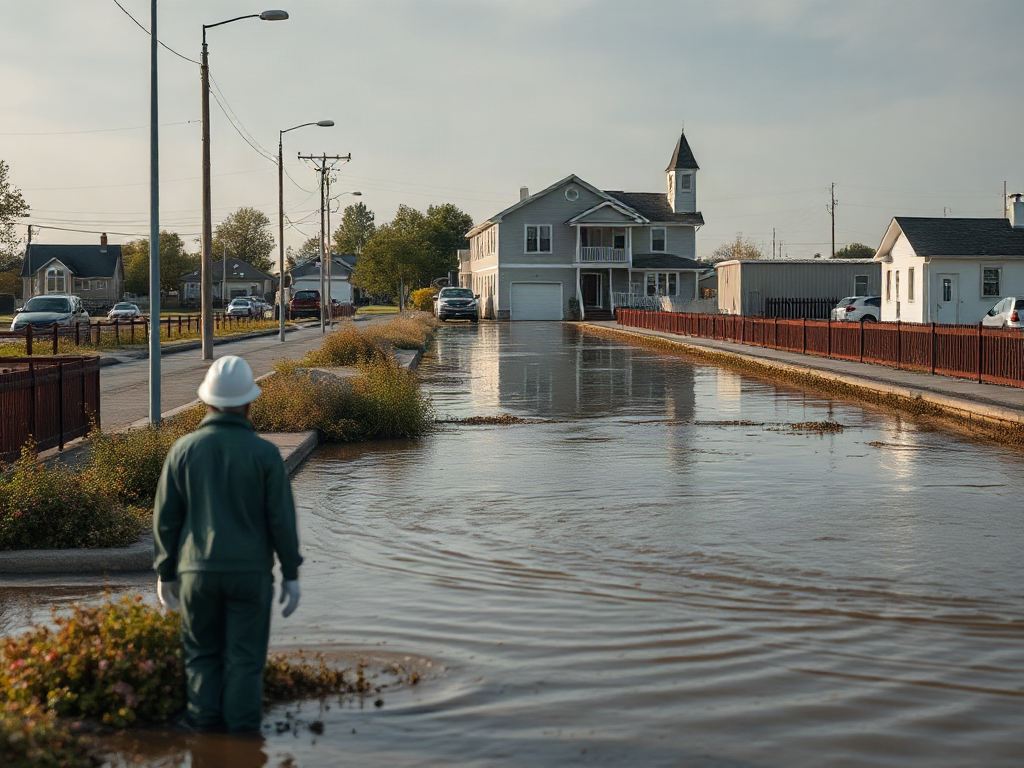
Quanah, Texas, remained under severe water strain as Greenbelt Reservoir held at 4.7% capacity and a boil-water notice entered its third month. A leak at the Greenbelt Water Authority’s chlorinator booster station triggered the notice, but repairs were still awaiting sourced parts. Supplemental groundwater and bottled-water distribution continued to support residents. The reservoir serves five communities, although effects outside Quanah were not quantified. The latest reporting confirmed persistence rather than a measured new decline, and it provided no completion date for repairs or the notice.
Why it matters: This is an extended water-access and safety problem, not merely a low storage figure. Continued boiling instructions and distribution dependence can burden households, especially residents who cannot easily travel. A shared source also means unresolved strain could matter beyond one community.
The wider connection: Shared water infrastructure is the wider pathway. A depleted reservoir, delayed equipment repair, and emergency distribution support show how one system can affect several communities. The key indicators are repair confirmation, reservoir updates, and official changes for the other supplied areas.
YELLOW · Worsening · Quanah, Texas, United States; local and regional significance · Source confidence: High · Published September 30, 2026
Gaza Plant Damage Exposes a Possible Regional Water Dependency
Multiple reports linked destruction or strikes affecting Gaza treatment plants with water shortages in Israel, making the claim worth monitoring. Repetition across outlets strengthens the reason to watch, but it does not establish the technical mechanism, affected population, lost capacity, service restrictions, or duration. Separate reporting mentioned algae-related disruption at Israeli desalination plants, although the available material does not connect that issue to the treatment-plant damage. Official confirmation and a clear explanation of the reported causal chain remain absent.
Why it matters: Water security can depend on treatment, wastewater handling, desalination, power, and maintenance rather than household pipes alone. If the reported relationship is confirmed, damage at one group of facilities could have effects beyond the immediate site. For now, this remains a regional infrastructure watch.
The wider connection: Regional water infrastructure is the connection pathway. Treatment and desalination systems may create dependencies across facility and geographic boundaries that are difficult to replace quickly. Confirmation of service impacts, capacity loss, restoration, and the technical mechanism would clarify whether that connection is strengthening.
WATCH · Developing · Global · Source confidence: High · Published September 30, 2026
Reported Cockpit Violence Puts Aviation Verification Under Pressure
Several source families reported an alleged pilot stabbing, rapid descent, and passenger intervention aboard a FlyDubai flight bound for Israel. Newer passenger accounts described screaming, panic, and blood, but key facts remain unsettled. The available record contains no full official incident report, confirmed flight number, verified injury account, or authoritative explanation of the aircraft’s status. Reported descent figures differ, and claims involving hijacking, an attempted crash, or terrorism remain unconfirmed. The occurred incident warrants attention without treating early allegations as established motive or sequence.
Why it matters: A reported cockpit disruption is serious because it may interrupt normal flight operations during an unfolding emergency. The case also shows why travelers and families need authoritative airline, airport, and government channels when identities, injuries, responsibility, and travel consequences remain unclear.
The wider connection: International travel and communications are the wider pathways. An aviation incident can create urgent information needs for passengers and families across borders, even before every fact is settled. Official findings are needed before drawing conclusions about motive, aircraft danger, or broader security implications.
WATCH · Developing · Global · Source confidence: High · Published October 2, 2026
Preparedness Bottom Line
Prioritize the dependencies that were hardest to replace this week. First, identify how your household would obtain safe water during a temporary service interruption; the no-cost starting point is saving the official local alert and utility contacts and checking who may need help reaching distribution. Second, map essential routines that depend on fuel, freight, or regular deliveries, especially caregiving and mobility needs, then discuss one lower-cost alternative before conditions tighten. Third, create a simple travel communication plan naming the airline, airport, or government sources one person will monitor during a disruption. Across all three, verify conditions before acting: unresolved casualty totals, fuel claims, infrastructure links, and aviation motives should not be treated as settled facts.
Joseph’s Perspective
EDITORIAL DRAFT — REVIEW/EDIT BEFORE PUBLISHING.
The hardest emergencies to manage are often the ones in which access is limited and the facts remain unsettled. Nepal shows that clearly: rescue work may still be underway while conflicting accounts make it difficult to know whether reports describe one disaster or several. That uncertainty is not a reason to look away. It is a reason to distinguish what has happened from what has only been alleged.
I see a related readiness lesson in the Texas diesel and water reports. Families do not need to assume a statewide fuel outage or a nationwide water threat to recognize the vulnerability. Transportation, deliveries, safe water, and repair parts all depend on systems that can lose flexibility before they fail completely.
The practical response is not panic buying. It is knowing which daily needs are hardest to replace, which official sources can confirm a change, and who around us may need help. I would keep watching Nepal’s rescue access, Quanah’s unresolved repairs, and verified evidence about Texas fuel availability. Preparing while choices remain open gives families more room to act calmly, care for neighbors, and face uncertainty with steady hope.
Psalm 46:1 (KJV): “God is our refuge and strength, a very present help in trouble.” Wise preparation does not compete with trust in God. It can be one way we care for the people entrusted to us, reduce confusion, and remain ready to help a neighbor. We are not promised immunity from hardship, but we are reminded that God is present within it. That hope gives us room to prepare calmly, act responsibly, and meet uncertain days without surrendering to fear.