
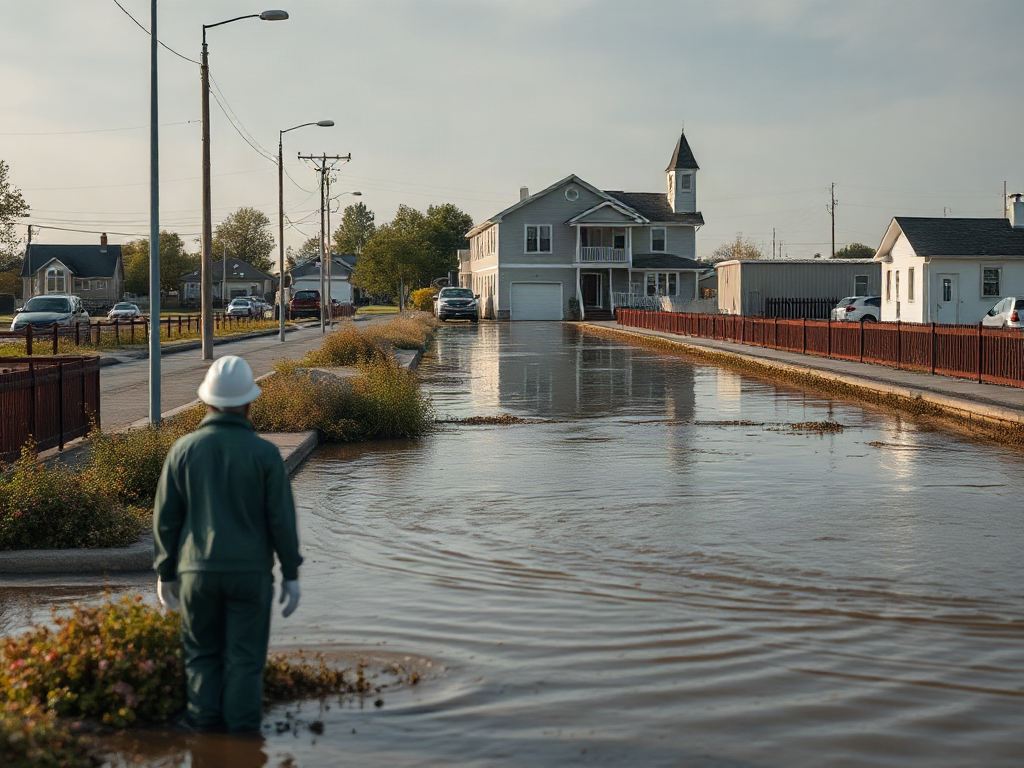
Flood-damaged agriculture, exposed water-system technology, and an ended foodborne outbreak show different pressures converging on the systems that sustain daily life.
Reporting window: September 7–13, 2026
This Week at a Glance
Highest alert: YELLOW · 0 RED · 0 ORANGE · 4 reports reviewed · 3 primary developments · 4 regions represented
Strategic Pattern of the Week
The week’s sharpest lesson is that essential systems can remain functional while their margins narrow. Nepal’s floods damaged crops, livestock, food stocks, fisheries, and rural infrastructure, turning a disaster into a difficult recovery problem. In the United States, cyber incidents reached water-system control technology across multiple states, prompting a federal warning even though no nationwide household water emergency has been established. Meanwhile, the lettuce outbreak ended, but the investigation into how contamination occurred remains open. These are distinct developments, not one combined crisis. Together, they show why preparedness depends on watching recovery capacity, operational resilience, and institutional learning—not just headline emergencies. Serious damage can be local, a warning can be national, and an outbreak can be over while its underlying lesson is still unresolved.
The Interconnection Lens
Food, water, and public health are connected through supply chains, operational technology, and public confidence. Nepal’s agricultural losses matter first through local food access and rural recovery, while its wider relevance lies in humanitarian capacity and the restoration of food-producing infrastructure. The water incidents show how communications and digital infrastructure can affect a basic physical service when operators must shift to manual work. The lettuce outbreak demonstrates the reach of distributed food systems across many states and the importance of traceability and market controls. The direct effects described are local or regional; the strategic relevance comes from shared systems and the possibility that failures in one layer increase pressure on another.
The Developments That Matter
Nepal’s Flood Damage Now Threatens the Recovery Season
A preliminary FAO assessment found about 1,800 hectares of crops damaged, mostly paddy, and thousands of livestock killed after deadly flash floods along Nepal’s Bhote Koshi–Trishuli river corridor. The losses also reached fisheries, food stocks, farmland, and agricultural infrastructure. More than 1,000 deaths were reported in the supplied assessment, with thousands of people still unaccounted for in the cited interview. The full district-level damage, livestock total, and valuation remain uncertain. FAO is providing emergency veterinary support while agricultural and rural-livelihood assessments continue.
Why it matters: The event threatens both immediate food access and the income base that farming families need for recovery. Restoring farmland, livestock systems, and rural infrastructure before the next planting season could determine whether the damage remains a severe local crisis or becomes a longer production interruption.
The wider connection: Food production and humanitarian capacity are the wider pathways. Nepal’s confirmed agricultural losses do not establish a global food shortage, but food stocks, rural access, replacement livestock, and restoration before planting season will show whether regional recovery pressures are deepening.
YELLOW · Worsening · Nepal · Source confidence: Very High · Published September 11, 2026
Water Utilities Face a New Test Beyond the Firewall
Federal authorities warned water systems nationwide after cyber incidents targeted programmable logic controllers and other technology used to monitor and control equipment remotely. More than 30 Minnesota systems or facilities were reportedly targeted, with related activity described in at least seven states. Some operators moved to manual procedures, and reports included operational effects such as boil-water notices or extended manual work. Investigators are examining possible links to Iran, but attribution has not been formally determined. The evidence does not establish contamination, a nationwide outage, or how many systems remain affected.
Why it matters: The incidents show how interference with operational technology can place pressure on routine water operations even when systems continue working safely. For households, readiness means knowing where local utility and public-health notices appear and responding to verified service or boil-water guidance rather than online speculation.
The wider connection: Digital infrastructure is the pathway from a cyber intrusion to a physical utility challenge. Manual operations can strain local continuity and public-health response, but the supplied evidence supports an elevated infrastructure watch—not a claim that every community faces an immediate water emergency.
YELLOW · Worsening · United States · Source confidence: High · Published September 13, 2026
The Outbreak Ended; the Food-Safety Lesson Did Not
CDC declared the U.S. Cyclospora outbreak linked to recalled iceberg lettuce over after 12,883 associated illnesses, 570 hospitalizations, and two deaths across 21 states. FDA remains confident that recalled product connected to the outbreak is no longer on the U.S. market, shifting the immediate situation from active response toward recovery and accountability. The investigation into how contamination occurred is still open. The supplied evidence does not establish the ultimate cause or rule out later revisions to illness information, making the follow-up findings important even after the outbreak declaration.
Why it matters: A widely distributed food product produced a substantial multistate healthcare impact before the event was closed. The remaining value of the investigation is practical: its findings could clarify whether traceability, supplier practices, inspections, or other controls need to change.
The wider connection: Food distribution and public-health surveillance create the wider connection. The outbreak’s multistate reach shows how one product can create dispersed exposure, while FDA’s continuing review may shape future market controls. It is not evidence of generalized food-system failure.
WATCH · Developing · Global · Source confidence: Very High · Published September 12, 2026
Signals We’re Watching
- Lake Powell Sets a New Low as Colorado River Strain Deepens: Water and power planning in the Colorado River Basin face added pressure after Lake Powell reached a record-low 3,519.91 feet, alongside a recent low at Lake Mead. Watch official storage, allocation, hydropower, and utility updates for evidence of operational effects.
Preparedness Bottom Line
This week calls for continuity awareness in three specific areas. Households should know where local water utilities and public-health departments post verified advisories, including boil-water or service notices, and maintain a reasonable short-term water plan. People connected to Nepal should follow official access, food, livestock, and recovery guidance rather than relying on early estimates. Consumers and businesses should monitor official food-safety updates and follow any product-specific recall instructions. Communities in the Colorado River Basin should track official water and utility communications as low reservoir levels continue to pressure planning. None of these reports supports panic or a nationwide emergency claim; each supports proportionate attention to local guidance and system recovery.
Joseph’s Perspective
The important point this week is not that one giant crisis is forming. It is that several essential systems are showing how quickly normal life can become harder when recovery, technology, or oversight falls behind. In Nepal, the flood damage is already measured in lost crops, livestock, food stocks, and rural infrastructure. That is a local humanitarian and agricultural emergency, but it also reminds us that recovery capacity matters as much as the initial disaster. Here at home, the water-system incidents show why digital risk is also a physical-service issue. The systems may keep operating, but manual work and uncertainty put pressure on the people running them. And the lettuce outbreak is officially over, yet the most useful lesson may still be ahead in the FDA investigation. I don’t read these stories as a reason for fear. I read them as a reason to pay attention to margins: food production before the next planting season, local water notices, reservoir and utility updates, and the reforms that follow a food-safety failure. Prudent readiness begins with verified information and ordinary continuity planning.