by Joseph | May 21, 2026 | Preparation, Sharing
I have always been fascinated by the subject of preparedness and really have been impressed with a preparation call. I have never been one to panic, or go into a survival mode. I am not afraid to face my fears and I am certainly not afraid to die. Of course, like most people, I am concerned for my family and friends. And I am concerned about the Country we live in.
I remember thinking how I wanted to be prepared, but I also felt like I did not know what to do. My dad had already started preparing for the worst case scenario. He had already purchased a small amount of food and supplies. But I did not feel comfortable with the idea of being forced to stay in a shelter underground. I was not comfortable with the idea of being separated from my wife and kids.
So I decided to take some classes on survival skills. I learned how to build a fire, how to find water, how to survive off the land. I even learned how to start a small farm. I felt much more prepared than I did when I was just learning the Bible.
My wife and I started to get ready for a possible emergency. We started to think about what we would need in case of an emergency. We bought a small generator so we could power up the radio. We purchased some camping gear so we could spend time together as a family. We purchased a few books on survival so we could learn how to be self sufficient.
But it was only after 9/11 that I really started to get serious about being prepared. It is funny how things happen. We were watching TV one day and saw a report on how people were being evacuated from New York City. They said that the terrorists were going to fly airplanes into buildings.
We immediately got scared. We decided that we needed to get prepared. So we went out and bought a couple of flashlights. We stocked up on food and water. We started to look for ways to be self sufficient.
And then it happened. The next day we watched the news and heard that the World Trade Center towers had collapsed.
That was the moment when we realized that this was no longer just a possibility. This was something that was happening. We were now in the middle of a war. And we were going to be involved in it.
I was not prepared for that. I did not know what to expect. But I knew that I had to be prepared. I had to be ready to defend myself. I had to be ready for anything.
Today I am very thankful that I took the time to prepare for the worst case scenario. Today I am very thankful that I was able to prepare my family and my home for whatever may come.

by Joseph | May 21, 2026 | Sharing
In our preparedness journey, the greatest skills and teachings have come from experiencing difficulties and learning skills to overcome challenges. We gain confidence and strength as we deal with hardships and learn. The reality is, we grow when we are uncomfortable. The same can be said about overcoming difficulties or hurts we may encounter (or cause) in our relationships. Sharing grace and love sometimes requires us to mature and grow in our Faith. Gods Grace is sufficient – but ours often needs recharging.
The power of forgiveness is a central theme throughout the Bible, and we see numerous examples of how forgiveness can transform lives and relationships. Another striking instance is found in the story of the prodigal son in Luke 15:11-32. In this parable, a father’s younger son demands his inheritance, then squanders it in wild living. When the son eventually returns home, broke and humiliated, the father doesn’t hold the past against him. Instead, he runs to embrace his son, welcoming him back with open arms and celebrating his return.
This story illustrates the depth of God’s love and forgiveness towards us. No matter how far we may wander or how badly we may mess up, God is always ready to welcome us back with compassion and grace. As it says in 1 John 1:9, “If we confess our sins, he is faithful and just and will forgive us our sins and purify us from all unrighteousness.”
Forgiveness is not always easy, but it is essential for our spiritual and emotional well-being. When we harbor unforgiveness, it’s like allowing a poison to take root in our hearts. It breeds bitterness, resentment, and anger, hindering our ability to love others and experience the fullness of God’s love for us. In contrast, when we choose to forgive, we open the door for healing, reconciliation, and freedom.
Jesus emphasized the importance of forgiveness in His teachings, even instructing us to forgive those who wrong us “seventy-seven times” (Matthew 18:22). This doesn’t mean that we allow others to continually harm us, but rather that we cultivate a heart posture of forgiveness, trusting God to deal with the injustices we face.
Forgiveness is also key to being prepared for the challenges and opportunities that lie ahead. When we are weighed down by unforgiveness, we are not free to fully embrace all that God has for us. Our energy is sapped, our focus is diverted, and our hearts are not in a place to receive God’s blessings. By choosing forgiveness, we position ourselves to walk in the plans and purposes God has for our lives.
The story of Corrie ten Boom, a Holocaust survivor, powerfully illustrates the freedom that forgiveness brings. After the war, Corrie encountered one of the cruel guards from the concentration camp where she and her sister had been imprisoned. The guard had since become a Christian and asked for her forgiveness. Despite the immense pain and trauma she had suffered, Corrie chose to forgive him, later reflecting, “When he took my hand, an incredible thing took place. The current started in my shoulder, raced down my arm, sprang into our joined hands. And then this healing warmth seemed to flood my whole being, bringing tears to my eyes. ‘I forgive you, brother!’ I cried. ‘With all my heart!'”
Forgiveness is a decision, an act of the will. It’s not always a one-time event but often a process that we must choose again and again. As we do, we experience the healing and freedom that God desires for us. We become better prepared to love others, to serve God, and to walk in the good works He has prepared for us (Ephesians 2:10).
May we, like Joseph, the prodigal son’s father, and Corrie ten Boom, choose forgiveness. As we do, may we experience the peace and freedom that comes from aligning our hearts with God’s heart. And may our lives be a testament to the transformative power of forgiveness, drawing others to the love and grace of our Heavenly Father.

by Joseph | May 21, 2026 | Sharing
The story of Joseph in the Bible is one of overcoming adversity and mastering the art of preparedness. It’s not just an ancient narrative; it’s a timeless guide for navigating challenging circumstances and preparing for potential difficulties ahead. Joseph’s strategic approach to the crisis in Egypt can teach us how to prepare effectively today. By examining his actions, we uncover a five-step plan that helped him overcome immense obstacles and save an entire nation. Let’s explore this plan and see how we can apply it to our own lives to help us prepare.
Step 1: Start with Divine Insight
Joseph’s preparedness journey didn’t begin with a stockpile of goods; it started with seeking insight from God. When Pharaoh had troubling dreams that no one could interpret, Joseph boldly declared that understanding came only from God.
“Joseph answered Pharaoh, saying, ‘It is not in me; God will give Pharaoh a favorable answer.’” (Genesis 41:16 NAS)
Joseph recognized the importance of divine guidance in uncertain times. Instead of relying on human wisdom, he trusted God to reveal the truth. This is the foundational step for any effective plan. When we face potential crises, our first response should be to seek God’s wisdom, inviting Him into our planning process.
Takeaway:
Before making any major decisions, pause and pray. Ask God to reveal what is needed and how to proceed. Trusting in our own understanding can lead us astray, but seeking divine insight aligns our actions with God’s will.
Action Step:
Spend time in prayer and meditation today, asking God for wisdom and clarity in any areas of uncertainty in your life. Write down any thoughts or impressions that come to mind as you seek His guidance.
Step 2: Face Reality with Courage
Joseph’s interpretation of Pharaoh’s dreams was sobering: seven years of abundance would be followed by seven years of severe famine. Rather than shy away from this grim reality, Joseph faced it head-on and began planning.
“The dreams of Pharaoh are one and the same; God has told Pharaoh what He is about to do.” (Genesis 41:25 NAS)
Avoiding hard truths doesn’t change them. Joseph’s success was rooted in his willingness to confront the situation directly. He didn’t deny the coming crisis or hope it would resolve itself. He also didn’t get panicked or fearful. Instead, by Faith, he prepared a strategic plan.
Takeaway:
Acknowledging the reality of our circumstances is essential for effective preparation. It takes courage to face potential challenges, but ignoring them only leads to greater hardship.
Action Step:
Take an honest look at your current situation. Are there warning signs you’ve been ignoring? Whether it’s financial, health-related, or concerns about global events, make a list of potential issues you need to address.
Step 3: Store Up Wisely During Times of Plenty
During the seven years of abundance, Joseph gathered and stored grain, preparing for the famine that would follow. He didn’t squander the resources of plenty; he maximized them.
“So he gathered all the food of these seven years which occurred in the land of Egypt and placed the food in the cities.” (Genesis 41:48 NAS)
This proactive step was critical to Egypt’s survival. Joseph understood that preparation during times of abundance is key to overcoming future shortages. He set up storehouses and filled them diligently, making sure there was enough to sustain the nation through the lean years.
Takeaway:
When resources are plentiful, it’s easy to be wasteful or assume the good times will last forever. Instead, use periods of abundance as opportunities to save and prepare for the unexpected.
Action Step:
Evaluate your current resources. Are you using your financial, physical, and spiritual blessings wisely? Consider setting aside an emergency fund, stocking up on essential supplies, or learning new skills that may be valuable in times of scarcity.
Step 4: Work Diligently and Execute Your Plan
Planning without action is meaningless. Joseph not only created a plan; he carried it out with diligence. He didn’t cut corners or procrastinate but worked tirelessly to ensure the success of his preparedness efforts.
“Joseph stored up grain in great abundance like the sand of the sea, until he stopped measuring it, for it was beyond measure.” (Genesis 41:49 NAS)
Joseph’s dedication ensured that Egypt was ready when the famine struck. He didn’t leave things to chance; he worked with purpose and discipline. This step is a reminder that preparedness requires ongoing effort and commitment.
Takeaway:
The best plans require hard work and follow-through. Staying diligent, even when the task seems overwhelming, can make all the difference when challenges arise.
Action Step:
Review your current preparedness plans. Are there areas where you’ve stalled or lost momentum? Set small, achievable goals for the week ahead and focus on consistent progress.
Step 5: Be Generous and Use Your Preparedness to Help Others
When the famine hit, Joseph didn’t hoard the resources he had gathered. He opened the storehouses and provided for both the Egyptians and the surrounding nations, becoming a source of life and sustenance in a time of great need.
“When the famine was spread over all the face of the earth, then Joseph opened all the storehouses and sold to the Egyptians, and the famine was severe in the land of Egypt.” (Genesis 41:56 NAS)
Joseph’s preparedness wasn’t just for his own benefit; it was a means of serving others. His foresight and generosity saved countless lives. In the same way, our preparedness efforts should be guided by a heart of compassion. When we plan ahead, we not only protect ourselves but also position ourselves to help those in need.
Takeaway:
True preparedness is rooted in love and generosity. By sharing what we have stored, we reflect God’s heart and His provision for all people. Preparedness is not just about surviving; it’s about thriving together as a community.
Action Step:
Consider ways you can use your resources to help others. Whether it’s sharing food, offering a helping hand, or giving encouragement, look for opportunities to bless those around you. Make a list of people you could support if a crisis arises and pray for the chance to serve them well.
Conclusion
Joseph’s five-step plan provides a powerful example of how to navigate difficult times with faith, wisdom, and action. He sought divine guidance, faced reality with courage, stored up resources wisely, executed his plan diligently, and used his preparedness to bless others. In our world today, where uncertainties and challenges abound, we can follow Joseph’s blueprint to build a resilient life rooted in faith.
By trusting God’s wisdom, being proactive, and cultivating a spirit of generosity, we can overcome obstacles and help save not only our own families but also our communities. Let’s be like Joseph, preparing wisely so that we can stand strong in times of crisis and be a beacon of hope for those around us.
FAQ
1. Why is preparedness important in our faith journey?
Preparedness is a sign of wisdom and stewardship. It allows us to face challenges with confidence and serve others in need.
2. How can we seek God’s guidance like Joseph did?
We can pray, study Scripture, and ask the Holy Spirit to give us discernment and wisdom in our decision-making.
3. What resources should we be storing up?
Consider storing food, water, emergency supplies, financial reserves, and developing skills that may be needed in times of crisis.
4. How can we maintain diligence in our preparedness efforts?
Set clear goals, make a plan, and ask God for the strength to remain committed even when it feels difficult.
5. How can we use our preparedness to serve others?
Be generous and open-handed, sharing what you have stored with those in need, trusting that God will continue to provide as you give.
Prayer:
Lord, thank You for the example of Joseph. Help us to seek Your wisdom first and to act with courage and diligence as we prepare for whatever lies ahead. Teach us to store up wisely and to use what we have for the good of others. May our actions reflect Your love and provision in every season. Amen.
by Joseph | May 21, 2026 | Sharing
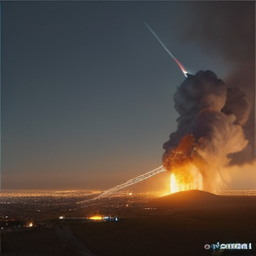
You know that uneasy feeling in your gut when you check the news these days? There’s a reason for that. We’re living in times that seem ripped straight from the pages of ancient prophecies, and let me tell you – it’s no coincidence.
Look around. The world’s military spending hit a mind-blowing $2.1 trillion in 2021. That’s not just numbers on a spreadsheet – that’s nations gearing up for something big. Really big.
Remember what Jesus said about the end times? “You will hear of wars and rumors of wars… Nation will rise against nation, and kingdom against kingdom.” (Matthew 24:6-7) Well, folks, turn on your TV. What do you see?
We’ve got Russia and Ukraine locked in a deadly dance. China’s flexing its muscles toward Taiwan. India and Pakistan are sitting on a powder keg. Iran’s playing nuclear chess with the West. And Israel? Don’t even get me started on the Middle East situation.
But here’s the kicker – this isn’t just about politics or resources anymore. We’re watching ancient biblical prophecies unfold in real-time, in high definition.
The prophet Daniel spoke about a time when “many shall run to and fro, and knowledge shall increase” (Daniel 12:4). Sound familiar? We’re living in the most connected, yet paradoxically divided, time in human history.
Let’s get real for a second. Do you honestly think governments are stockpiling these weapons just to look at them? History teaches us that every major arms build-up eventually leads to conflict. It’s like watching a pressure cooker – the steam has to release somewhere.
The Book of Revelation talks about wars that will engulf a third of the earth. When you look at today’s military alliances and the web of international tensions, you can see how one spark could ignite a global conflagration.
But here’s where it gets personal – what should YOU do with this information?
The wise virgins in Matthew 25 were prepared. They had their lamps filled and ready. Today’s equivalent isn’t just spiritual preparation (though that’s crucial) – it’s about being ready on all fronts.
“A prudent person foresees danger and takes precautions” (Proverbs 22:3). This isn’t about fear; it’s about wisdom. It’s about understanding the times we’re living in and acting accordingly.
Consider this:
- Physical Preparation: Basic supplies, emergency plans, essential resources
- Spiritual Preparation: Strengthening your faith, building community
- Mental Preparation: Staying informed without getting paralyzed by fear
The prophet Joel spoke of beating plowshares into swords (Joel 3:10) – a time of agricultural tools being converted to weapons. Today, we’re seeing peaceful technologies being weaponized at an unprecedented rate.
But here’s the hope – these prophecies don’t end in destruction. They end in redemption. Yes, there are dark times ahead, but there’s also a promise of dawn after the darkness.
Remember, Noah didn’t build the ark when it started raining. He built it when the skies were still clear. The time to prepare isn’t when the missiles are flying – it’s now, while we still have the chance.
The signs are clear:
- Global military buildups
- International tensions at breaking point
- Technological warfare capabilities
- Economic instabilities
- Shifting alliances
These aren’t just news headlines – they’re prophetic signposts.
So what’s the takeaway? Don’t panic, but don’t ignore the signs either. Stay alert. Stay prepared. Stay faithful.
Because here’s the truth – whether it’s next month or next year, the powder keg we’re sitting on isn’t getting any safer. The weapons won’t stay in their silos forever. The prophecies will fulfill themselves.
The question isn’t if, but when. And when that time comes, will you be ready?
Let’s be like the sons of Issachar, who “understood the times and knew what Israel should do” (1 Chronicles 12:32). Let’s be prepared – spiritually, mentally, and physically.
The drums of war are beating. The prophecies are aligning. The time to prepare isn’t tomorrow – it’s today.
by Joseph | May 21, 2026 | Preparation, Sharing
Shared By: Jeff Rowland
Romans chapter 14 is in my opinion the most pivotal chapter in the Word of God concerning relationships between believers. This chapter also gives the streamline and basic fundamental principles of Kingdom living for the people of God.
We are living in ages of social dilemma’s that shape the political landscape of our nation. Every issue that we look at, points to the rules of conduct for our leaders and our citizens. For the believer, the kingdom of God has certain guidelines and principles that are to guide our lives concerning relationships with others, ourselves and our King. Paul in this chapter approaches those principles in verse 17. He says, “For the kingdom of God is not meat and drink; but righteousness, and peace, and joy in the Holy Ghost.” This indicates it is not the matter of our liberty or lack of liberty in certain areas that allows us the joy of the kingdom.
The three elements of kingdom living emphasized by Paul are; righteousness, peace and joy in the Holy Ghost. These three elements can only be received as a gift from the King; they cannot be earned through performance. They are matters of the heart and spirit, not of the will and flesh.
This leads us to the present condition of the church. Most churches spend the majority of their time trying to discover what is right and wrong. As a result of this we accumulate a list of sins, as well as patterns of behavior that leads to sin. If we focused on the heart of God and the word of God then I believe we would accomplish much more.
Jesus declared in the Gospel of John 3:18, “He that believeth on him is not condemned: but he that believeth not is condemned already, because he hath not believed in the name of the only begotten Son of God.” The key thought is to believe. Faith unlocks the door to salvation and the grace of God. With that said consider what Paul said in Romans 14:23 “for whatsoever is not of faith is sin.”
This is not a profound thought but a reminder of some things. When we establish a list of sins like; adultery, lying, stealing, envy, jealousy, and taking God’s name in vain, we need to remember that the sin has already occurred before the actions ever manifest.
The sin according to Paul is the lack of faith. From a lack of faith any known action of sin can manifest in anyone given the right situation. Therefore any believer is vulnerable to any known act of sin if we walk in a lack of faith. This brings up the question, how many people are walking in sin and never even realize it until the action manifests?
Satan knows what situation or circumstance to surround us with at the time when we are walking in a lack of faith to bring about any given action of sin. Be careful when you say you would never commit a certain action.
Now based on this what do we do? Paul says in verse 23 “Whatsoever is not of faith is sin.” At its most basic root, faith is total dependence on God. Whatever makes us independent will lead to a lack of faith and leave us vulnerable to manifest whatever action of sin the situations of life will call for. Therefore we need to understand some basic principles.
1. Your strength can become your weakness.
It is important that we understand that the enemy wants to do damage to that part of you that does his kingdom of darkness the most damage. Satan targets our strength more than our weakness. It is our strength that does him the most damage. The spiritual gift that you operate in is the area that you could become weak in.
We have the tendency to forget that it is the Spirit of God that enables us not we ourselves. The preacher can become independent of God in his preaching and begin to think that it is his ability rather than God ability that enables him to declare the Word of God with power. Don’t forget that it is God that enables us to do all things.
2. Your weakness will become your strength.
Paul describes this principle in 2 Corinthians 12 in his conversation with the Lord. With regard to Paul’s thorn in the flesh, God said, “My grace is sufficient for you, for my strength is made perfect in weakness.” In our weakness, we then begin to trust God. Our weakness then is transformed into our weakness.
The perception of the church is that our weakness must never be seen or talked about when in fact after our weakness is manifest and then taken to the Father, we at that point have the choice to trust the Father more deeply and are transformed into His strength.
3. Prolonged circumstance will cause you to become independent of God.
David said in Ps. 13, “How long will hide your face from me O Lord.” When we are faced with a circumstance of trouble over a prolonged period of time we begin to attempt to work things out for ourselves instead of waiting on God. When we engage our will to work things out on our own we are walking independently from God.
Conclusion: Instead of looking so intently on the manifestations of sin we should be looking at the root cause, which is a lack of faith. Trusting the Father will keep us walking in the Spirit and we will not fulfill the lusts of the flesh.
by Joseph | May 21, 2026 | Preparation, Sharing
As times get more difficult, it becomes increasingly important that we prepare ourselves mentally, emotionally, spiritually, and physically. In my life, it seems that I am being led through a “purging process”. This process has been painful, especially as I tried to hold onto many things that I had accumulated along the journey. Now I realize, the purging is helping to lighten the load I am carrying so I can better maneuver the times ahead.
One of the areas that has been impressed upon me to purge, is the emotional baggage that has often been a weighty distraction. Hurts from broken or failed relationships, insecurities, and guilt from personal failures have all been obstacles to my movement forward. I have spent far too much time struggling under heavy emotional burdens that are completely unnecessary and are hindering me from being tightly focused on preparation for the path ahead.
Preparation is not as easy as I once imagined. Certainly, it can be easy to put a few things in storage and to learn some new skills, but the more difficult part of the journey is the process of transitioning. Habits that have been accumulated, and comforts that have become a part of life – are now being altered. It is a necessity, because the journey ahead will not allow for the status quo. (more…)