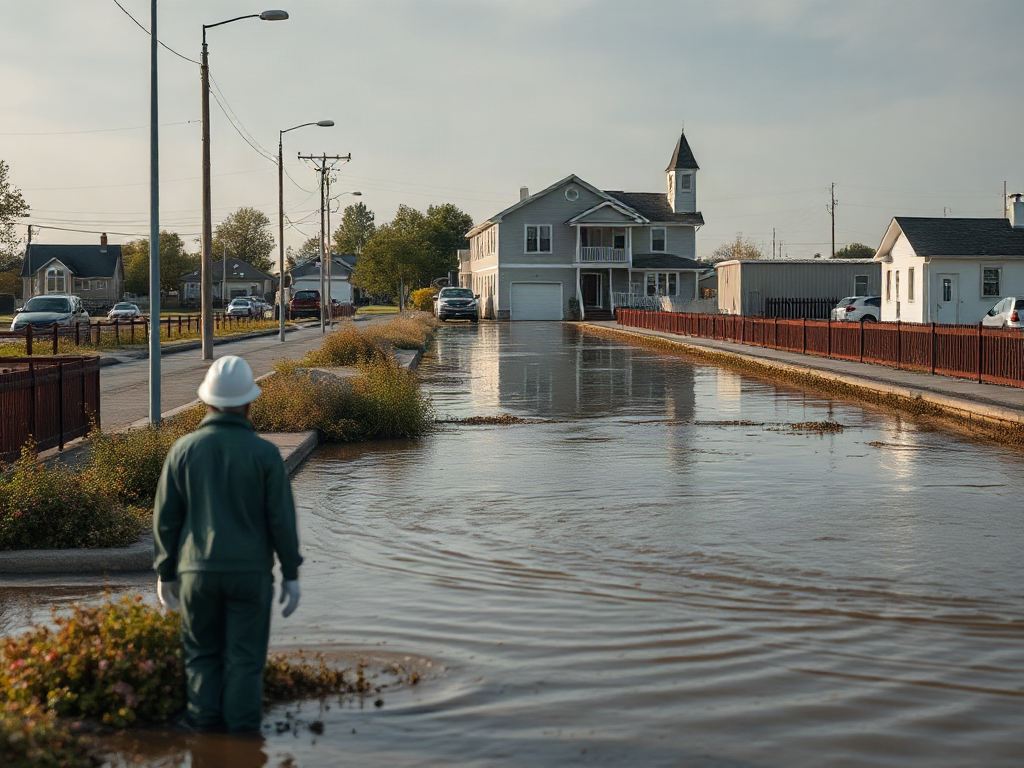
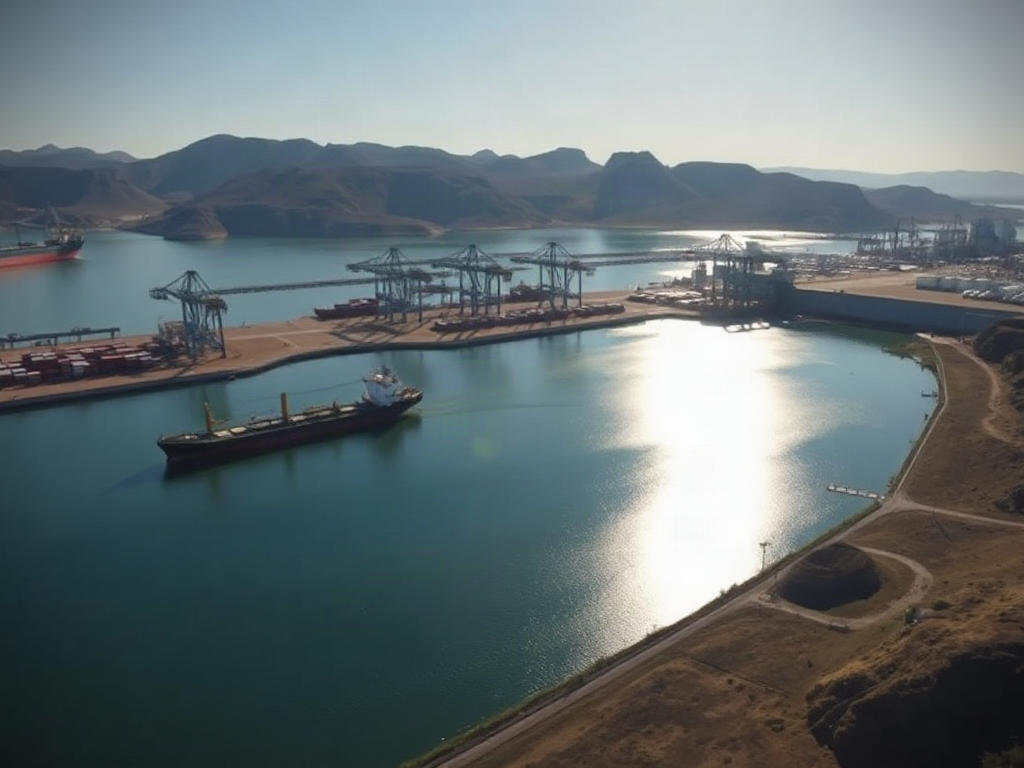
From Black Sea grain routes to the Colorado River and Moscow’s refinery, this week shows how physical disruptions can test food, water, energy, and public confidence before a wider crisis is established.
Reporting window: September 21–27, 2026
This Week at a Glance
Highest alert: YELLOW · 0 RED · 0 ORANGE · 5 reports reviewed · 3 primary developments · 4 regions represented
Strategic Pattern of the Week
Strategic pressure is appearing where essential systems have the least room to absorb disruption. In Krasnodar, a strong harvest is colliding with damaged export channels, turning abundance into a storage and income problem. Lake Powell’s reported record low shows a different kind of strain: weak inflows are reducing flexibility in a water system that supports farms, communities, and electricity. Moscow’s refinery shutdown adds an infrastructure test, with both primary crude-processing units reportedly affected and repairs potentially lasting weeks. These are distinct events, not one unified crisis. Their shared lesson is narrower and more useful: resilience depends on functioning routes, reserves, and alternate capacity. The week rewards disciplined monitoring of whether each system stabilizes—or whether disruption spreads into connected markets and services.
The Interconnection Lens
Trade routes convert conflict into food and financial pressure when grain cannot move from producers to buyers. Energy infrastructure connects a refinery shutdown to fuel markets and regional distribution, even before wider shortages are confirmed. The Colorado River links snowpack and inflows to water management, agriculture, and hydropower across the Southwest. These pathways show why a development can matter beyond its immediate geography without creating immediate danger everywhere. The Krasnodar case has strategic relevance through Black Sea shipping and international grain prices; the refinery case connects to energy-market flexibility; Lake Powell connects to regional utility and agricultural continuity. Current evidence establishes localized disruption and system stress, while broader effects remain conditions to watch.
The Developments That Matter
A Strong Grain Harvest Meets a Broken Export Route
Krasnodar authorities declared a state of emergency after reported attacks disrupted logistics infrastructure, port operations, and Black Sea shipping. The region reportedly harvested 11.4 million metric tons of grain and pulses, nearly 2 million more than in 2025, yet some producers are struggling to move or sell it. One report estimated that 90% of regional grain export capacity was offline in August. Russia is pursuing alternate routes and possible safe passage, while newer reporting says 80% of terminals could restart if attacks stop. That remains conditional, not a confirmed recovery.
Why it matters: This is a food-system and financial disruption before it is a global shortage. When export channels close after a large harvest, storage pressure, weaker local prices, and producer losses can follow. The strategic question is whether alternate routes and terminal reopenings contain the problem or whether wider Black Sea trade and grain markets absorb the shock.
The wider connection: Trade and commodity-flow networks carry the consequence beyond Krasnodar. Disrupted Black Sea shipping can affect export timing, freight conditions, and international grain-price sensitivity. The current evidence supports a serious regional bottleneck, while broader food-market effects remain dependent on how long the routes stay impaired.
YELLOW · Improving · Krasnodar Region, Russia; broader Black Sea and Azov-Black Sea export routes · Source confidence: High · Published September 25, 2026
Moscow’s Refinery Shutdown Tests Fuel-System Flexibility
The Moscow Oil Refinery reportedly halted crude processing after a September 20 Ukrainian drone attack. Reuters-based reporting says fires affected both primary crude distillation units, which process incoming oil before it becomes fuel and other products. Refinery fuel was reportedly absent from the St. Petersburg International Mercantile Exchange beginning September 21. The newest update changes the story from damage with uncertain consequences to a reported operational interruption that could require several weeks of repairs. The exact damage, repair schedule, safety status, and restart date remain unverified.
Why it matters: A major processing interruption can test whether alternative facilities and distribution networks can compensate. If repairs last and replacement supply is limited, regional fuel availability or market activity could face pressure. No wider shortage, price increase, queue, or distribution failure has been established, so the practical focus is resilience rather than emergency buying.
The wider connection: Energy markets and fuel-distribution systems connect the refinery to a wider regional supply picture. Repair progress, refinery fuel sales, and verified distribution effects will show whether alternate capacity is absorbing the loss. For U.S. readers, this is indirect strategic relevance, not evidence of an immediate domestic disruption.
WATCH · Developing · Global · Source confidence: High · Published September 21, 2026
Lake Powell’s New Low Tightens Colorado River Flexibility
Lake Powell reportedly reached 3,517.24 feet on September 10, below its previous reported record of 3,519.92 feet set in April 2023. The decline followed weak 2025–2026 mountain snowpack, unusually warm conditions, and sharply reduced Colorado River inflows. Lake Mead was also reported at a record low in August. Levels were still falling into early September, but the available evidence does not establish whether that decline has stopped. Current storage percentages, operational restrictions, and future allocation decisions were not confirmed in the supplied material.
Why it matters: The Colorado River supports residents, farms, and electricity needs across several Southwestern states. Lower reservoirs can reduce management flexibility and increase pressure on agriculture, hydropower, and ecosystem decisions if weak inflows persist. The immediate concern is regional system stress, not a nationwide household emergency. Continued monitoring matters because management choices may become more consequential.
The wider connection: Water-management networks connect reservoir levels to farms, utilities, communities, and regional economies across the Southwest. Persistent low inflows could strengthen those connections through conservation requirements or allocation decisions. The evidence shows worsening reservoir stress, but it does not confirm service disruptions or enacted changes for households.
WATCH · Worsening · Colorado River Basin, U.S. Southwest · Source confidence: High · Published September 26, 2026
Signals We’re Watching
- Four Pennsylvania Measles-Associated Deaths Still Missing From Federal Count: Four Pennsylvania measles-associated deaths are reportedly absent from the federal count while the cited state total reached 731 cases. Watch for CDC and Pennsylvania reconciliation, an explanation of reporting standards, and any verified revision to the case total.
- A Nationwide Meat Recall Exposes a Verification Problem: A reported nationwide recall covers more than 167,000 pounds of meat tied to a false inspection label. The elevated concern is identification: watch for official product names, lot codes, establishments, retailers, and consumer instructions.
Preparedness Bottom Line
This week’s most relevant preparedness task is continuity awareness, not extraordinary action. Households and organizations in the Colorado River Basin should follow local water advisories and utility guidance as reservoir conditions develop. People tracking food systems should watch Black Sea route performance, grain-market movement, and official recall identifiers rather than reacting to broad headlines. Energy watchers should follow the Moscow refinery’s repair timeline and verified regional fuel effects. On the health side, use official public-health updates when counts conflict, and rely on local guidance if a verified exposure notice appears. Across all five developments, the practical discipline is the same: verify the change, identify the affected system, and avoid turning conditional risk into assumed crisis.
Joseph’s Perspective
The pressure showing up this week is less about one dramatic failure than about how quickly a system can lose flexibility. Krasnodar has grain, but damaged export routes make abundance difficult to sell. Lake Powell still represents a functioning reservoir, but record-low water levels narrow the choices available to the Southwest. Moscow’s refinery has not produced proof of a broad fuel shortage, yet the shutdown is a real test of alternate capacity.
I don’t read these reports as evidence that every connected system is about to break. I do think they make resilience easier to see. Ports, processing units, reservoirs, and public-health records all matter because people depend on the margin between normal operations and disruption. That margin can shrink before headlines describe a crisis.
For now, prudent readiness means following verified updates, keeping ordinary continuity plans current, and resisting both panic and dismissal. I’ll be watching whether grain routes reopen, whether refinery repairs restore sales, whether Colorado River inflows stabilize, and whether officials reconcile the health and recall information clearly.